111-01 Queens
Boulevard,
Forest Hills, NY 11375

Latest Posts
Dental Emergency? What to Do Before You’re Seen
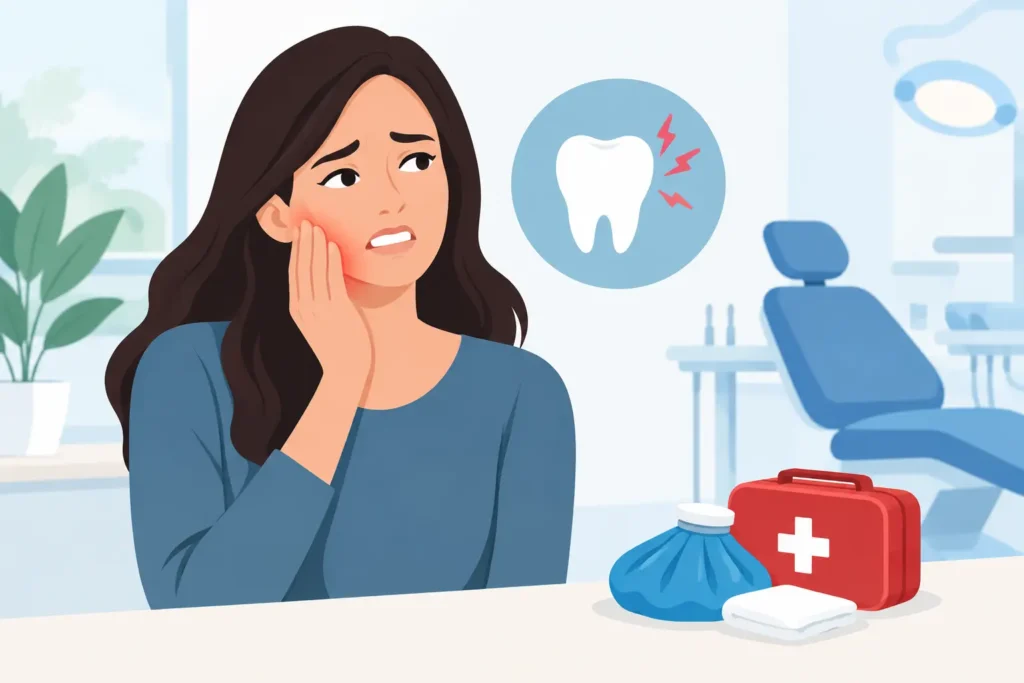
A cracked tooth during dinner, a child’s knocked-out tooth after a game, or facial swelling that worsens overnight can turn an ordinary day into a dental emergency. Knowing what to do in those first minutes can protect your comfort, preserve a tooth, and help your dentist provide the right treatment more quickly.
Not every dental problem needs immediate treatment, but severe pain, injury, bleeding, swelling, or damage to a restoration should never be ignored. If you are in Forest Hills or elsewhere in Queens, contact a dental office promptly for guidance and the earliest available appointment. Same-day care may be appropriate, especially when waiting could increase pain or affect the outcome.
When Is It a Dental Emergency?
A dental emergency is a problem that requires prompt professional attention to stop pain, control infection, save a tooth, or repair damage that affects daily function. Some concerns are uncomfortable but can safely wait for a scheduled visit. Others need care the same day.
Severe, persistent tooth pain is one common example. It may come from deep decay, a cracked tooth, an abscess, gum infection, or an inflamed tooth nerve. Pain that keeps you awake, makes it difficult to chew, or does not improve with recommended over-the-counter medication deserves a call to your dentist.
Swelling in the gums, cheek, jaw, or face is also urgent. A dental infection can spread beyond the tooth, and antibiotics alone do not always address its source. Your dentist may need to drain an infection, perform root canal treatment, or remove a tooth that cannot be saved.
A knocked-out permanent tooth is especially time-sensitive. The sooner it is evaluated and repositioned, the better the chance of preserving it. Broken, cracked, or loosened teeth also need prompt attention, even if pain seems manageable at first.
Dental Emergency Warning Signs That Need Immediate Help
Call 911 or go to the nearest emergency room if you have trouble breathing or swallowing, uncontrolled bleeding, a serious facial injury, loss of consciousness, or rapidly spreading swelling. These symptoms can indicate a medical emergency that goes beyond routine dental treatment.
For urgent dental problems that do not involve those warning signs, call your dentist. Describe the symptoms clearly: when they began, whether there is swelling or fever, the location and severity of pain, and whether a tooth or restoration has been damaged. This helps the dental team determine how quickly you need to be seen.
Severe Toothache or Pressure
Gently rinse your mouth with warm water and floss carefully around the painful tooth to remove anything trapped between teeth. A cold compress on the outside of the cheek can help reduce discomfort and swelling. Use over-the-counter pain medicine only as directed on the label and only if it is safe for you based on your health history.
Do not place aspirin, alcohol, or other substances directly on the gums or tooth. They can burn soft tissue and make the area more irritated. Avoid applying heat to facial swelling, since heat may worsen inflammation.
Knocked-Out Tooth
Handle the tooth by the crown, which is the white chewing surface, not the root. If it is dirty, gently rinse it with milk or clean water for a few seconds. Do not scrub it, scrape the root, or remove attached tissue.
If possible, carefully place the tooth back into its socket and have the person bite gently on clean gauze to hold it in place. If reinserting it is not possible, keep it moist in milk or in the person’s saliva inside the cheek, if they are old enough not to swallow it. Do not store a tooth in plain water. Seek dental care immediately.
This guidance applies to permanent teeth. A baby tooth that has been knocked out should not be placed back in the socket because doing so could damage the developing permanent tooth. Call your child’s dentist for next steps.
Broken, Chipped, or Cracked Tooth
Save any pieces you can find, rinse your mouth with warm water, and use a cold compress if there is swelling. A small chip without pain may not require after-hours treatment, but it should still be examined soon. A deep crack, sharp edge, visible inner tooth tissue, or significant pain while biting needs more urgent care.
Until you are seen, avoid chewing on that side and stay away from very hot, cold, hard, or sticky foods. A dentist may smooth the edge, place bonding, recommend a crown, or provide root canal treatment depending on how deeply the tooth is damaged.
Lost Crown, Filling, or Bridge
A lost restoration can leave a tooth sensitive and vulnerable to further breakage. Save the crown or bridge if you can, clean it gently, and bring it to your appointment. Do not use household glue to put it back on. Those products are not safe for use in the mouth and can make proper treatment more difficult.
Try not to chew on the exposed tooth. If a sharp edge is irritating your cheek or tongue, dental wax may provide temporary protection. Whether the restoration can be re-cemented depends on its condition and the health of the tooth underneath it.
What to Expect at an Emergency Dental Visit
An emergency visit begins with a focused evaluation of the problem and your comfort. Your dental team may take digital X-rays or perform other imaging to see below the gumline and identify fractures, infection, or damage to the tooth root. The immediate goal is to relieve pain, protect your oral health, and decide on the most appropriate treatment.
Treatment varies by diagnosis. A toothache may need a filling, root canal treatment, or periodontal care. A cracked or broken tooth may benefit from a protective crown. When a crown is the right solution, in-office CEREC technology can sometimes allow a precisely designed, natural-looking ceramic crown to be made and placed in one appointment. That can be particularly helpful when a damaged tooth needs timely, durable protection.
In other situations, temporary treatment may be the safest first step. For example, significant swelling may need to be controlled before a final restoration is placed. A tooth with a complex fracture may require careful treatment planning. The right choice depends on the location of the tooth, the extent of damage, your bite, your health history, and the long-term prognosis.
How to Avoid Making the Problem Worse
When pain or damage is stressful, it is tempting to look for a quick fix at home. Avoid trying to pull a loose tooth, drain an abscess, file a broken tooth, or force a restoration back into place. These actions can cause infection, bleeding, or more extensive damage.
Keep the area clean with gentle brushing and warm-water rinses unless your dentist gives different instructions. Choose soft foods, chew on the opposite side, and avoid tobacco and alcohol, which can slow healing and irritate oral tissues. If you have been prescribed medication, take it exactly as directed and do not save antibiotics from a prior illness for a new dental problem.
Parents should also remember that a child who is unusually quiet, avoids eating, wakes at night, or points to a tooth may be experiencing significant discomfort even if they cannot describe it clearly. Prompt evaluation can prevent a small cavity, injury, or gum problem from becoming a larger one.
Convenient Care When Timing Matters
Dental emergencies rarely arrive at a convenient time. A practice with comprehensive services can evaluate the immediate issue while also planning for what comes next, whether that involves a filling, root canal, extraction, crown, implant, or replacement tooth. At Renaissance Dental Forest Hills, patients can receive compassionate, technology-forward care with scheduling options designed for busy Queens families and professionals.
If you are unsure whether your symptoms qualify as an emergency, call rather than wait. A timely conversation with a dental professional can give you clear next steps, reduce uncertainty, and help protect the smile you rely on every day.
Comments are closed.
Proudly serving the surrounding areas:
Forest Hills NY • Queens NY • Rego Park NY • Kew Gardens NY • Maspeth NY
Middle VIllage NY • Woodside NY • Sunnyside NY • Jamaica Estates NY • Queens County NY