111-01 Queens
Boulevard,
Forest Hills, NY 11375

Latest Posts
How to Manage a Knocked Out Tooth Before You Arrive
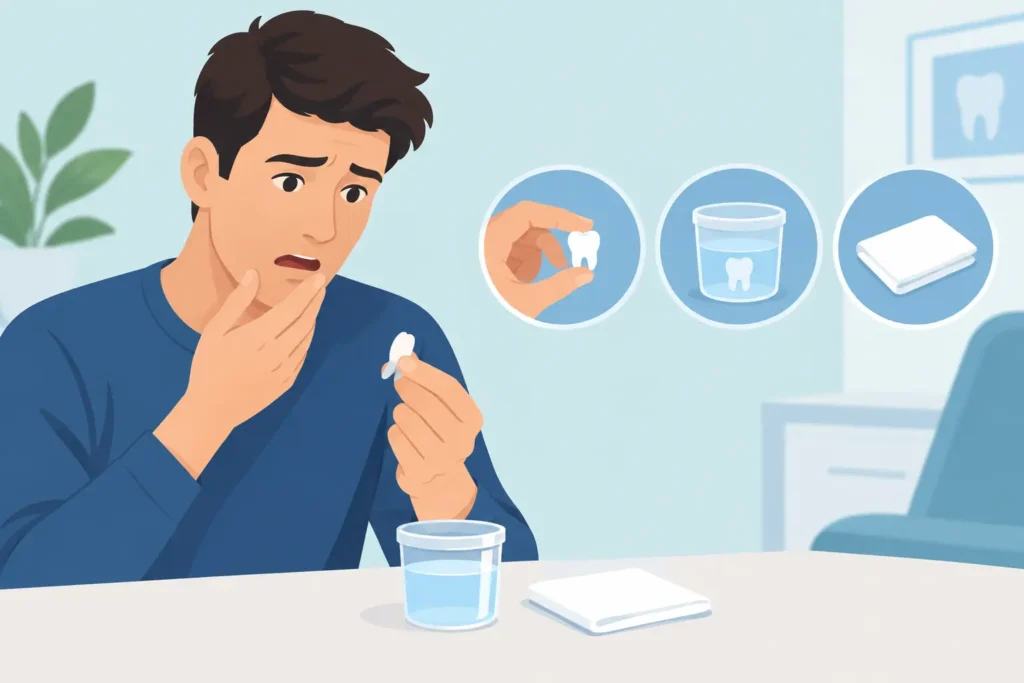
A tooth on the floor after a fall, a sports collision, or an accident at home is frightening, but the next few minutes can make a real difference. Knowing how to manage a knocked out tooth calmly may help preserve a permanent tooth until a dentist can provide urgent care. Act promptly, keep the tooth moist, and contact a dental office right away.
A completely knocked-out permanent tooth is a dental emergency. The goal is to protect the delicate living cells on the tooth root so the dentist has the best possible chance of placing the tooth back into its socket. If there is heavy bleeding, a possible head or neck injury, loss of consciousness, trouble breathing, or severe facial trauma, call 911 or go to an emergency room first.
How to Manage a Knocked Out Tooth
Start by locating the tooth. Pick it up only by the crown, which is the white chewing surface normally visible above the gums. Do not touch, scrub, scrape, or wipe the root. The root is covered with fragile cells that are essential to successful reattachment.
If the tooth is dirty, gently rinse it for a few seconds with milk or saline solution. If neither is available, use a brief, gentle rinse under clean running water. Do not use soap, disinfectant, alcohol, or a toothbrush. Do not wrap the tooth in a paper towel or cloth, which can dry it out and damage the root surface.
If the person is awake, cooperative, and old enough to avoid swallowing the tooth, gently place the permanent tooth back into its socket. Make sure it is facing the right direction – the smooth front surface should face the lips. Have the person bite lightly on clean gauze or a folded clean cloth to hold it in place. Do not force the tooth into the socket if it will not go in easily.
When reinserting the tooth is not practical, keep it moist. Cold milk is often the best readily available option. Place the tooth in a clean container with milk and bring it with you. A tooth-preservation solution, if available in a first-aid kit, is also appropriate. Saline can be used as a short-term alternative. Avoid storing the tooth in tap water for an extended period, since water can harm the root cells.
For older children and adults who can safely hold it without swallowing, the tooth may be kept inside the cheek, surrounded by saliva, during the trip to the dentist. This is not appropriate for young children. Milk in a secure container is safer for them.
Permanent Tooth or Baby Tooth?
This distinction matters. A knocked-out permanent tooth should usually be preserved and evaluated immediately. The faster it is returned to the socket or kept in an appropriate storage medium, the better. Treatment within 30 minutes is ideal, although dentists can sometimes help even when more time has passed.
A baby tooth should not be put back into the socket. Reimplanting a primary tooth can damage the developing permanent tooth beneath it. Still, a child who loses a baby tooth because of an injury needs prompt dental evaluation. The dentist will check for gum injury, bone trauma, nearby tooth damage, and whether the missing tooth may affect spacing or speech.
It can be difficult to tell whether a child has lost a baby tooth or a permanent tooth, especially during the mixed-dentition years when both are present. When in doubt, bring the tooth and call a dental office for guidance. Do not delay care while trying to identify it yourself.
What to Do While You Arrange Emergency Care
After protecting the tooth, focus on comfort and safety. Apply gentle pressure with clean gauze to control bleeding. A cold compress on the outside of the cheek can help reduce swelling. Over-the-counter pain medication may be appropriate when taken as directed for the person’s age and health history, but do not place aspirin directly on the gums.
Avoid eating, drinking hot beverages, or chewing on the injured area. Even if the tooth has been placed back into its socket, it may be unstable and needs professional stabilization. Call for an emergency dental appointment immediately and explain that a permanent tooth has been knocked out. That information helps the team prepare for your arrival.
At Renaissance Dental Forest Hills, urgent dental concerns are approached with the same combination of clinical precision and patient comfort used in routine care. A same-day evaluation can allow the dentist to assess the tooth, gums, bone, and surrounding teeth, then determine the most appropriate next step.
What the Dentist May Do
Dental trauma is rarely limited to what is visible. A tooth that appears intact may have a root fracture, damage to the supporting bone, or injury to nearby teeth. The dentist will examine the area and may take digital X-rays to understand the full extent of the injury.
If a permanent tooth has been successfully reinserted or can be reimplanted, the dentist may gently position it and attach a small flexible splint to neighboring teeth. This holds the tooth steady while the tissues heal. The splint usually remains in place for a limited period, depending on the injury.
Follow-up care is just as important as the emergency visit. The tooth may need monitoring for several months or longer because trauma can affect the nerve inside the tooth over time. Some patients need root canal treatment after a knocked-out tooth, while others heal without it. Age, root development, the amount of time the tooth was out of the mouth, and the way it was stored all influence the plan.
If the original tooth cannot be saved, there are still thoughtful restorative options. For a growing child or teenager, treatment may focus first on protecting appearance, comfort, and space until long-term care is appropriate. For adults, options can include a bonded replacement, bridge, or dental implant after the mouth has healed. The right choice depends on the injury, bone health, neighboring teeth, timing, and personal goals.
Common Mistakes That Can Reduce the Chance of Saving the Tooth
In a stressful moment, many people instinctively rinse a tooth thoroughly, wrap it in tissue, or place it in a glass of water. Those understandable choices can reduce the chance of successful reimplantation. The root should be handled as little as possible, kept moist, and brought to a dentist without delay.
Another common mistake is assuming that a tooth is fine because it has been put back in place. Reimplantation is only the first step. The tooth still needs stabilization, imaging, infection prevention when indicated, and close follow-up. A dental professional can also check for jaw injury and damage to teeth that may not hurt right away.
Helping Prevent Future Dental Injuries
Not every accident can be prevented, but a properly fitted mouthguard can substantially reduce the risk of tooth injuries during contact sports, skating, biking, and other activities with a fall risk. Store a small tooth-preservation kit or sealed container in a sports bag if your family participates regularly. Knowing where to go for urgent dental care before an injury happens can also save valuable time.
A knocked-out tooth calls for fast action, not panic. Handle the tooth by the crown, keep it moist in milk if it cannot be replaced safely, and seek emergency dental care as soon as possible. Those simple steps give the tooth – and your smile – the strongest possible chance.
Comments are closed.
Proudly serving the surrounding areas:
Forest Hills NY • Queens NY • Rego Park NY • Kew Gardens NY • Maspeth NY
Middle VIllage NY • Woodside NY • Sunnyside NY • Jamaica Estates NY • Queens County NY