111-01 Queens
Boulevard,
Forest Hills, NY 11375


Latest Posts
Can Cracked Teeth Heal? What Your Tooth Needs
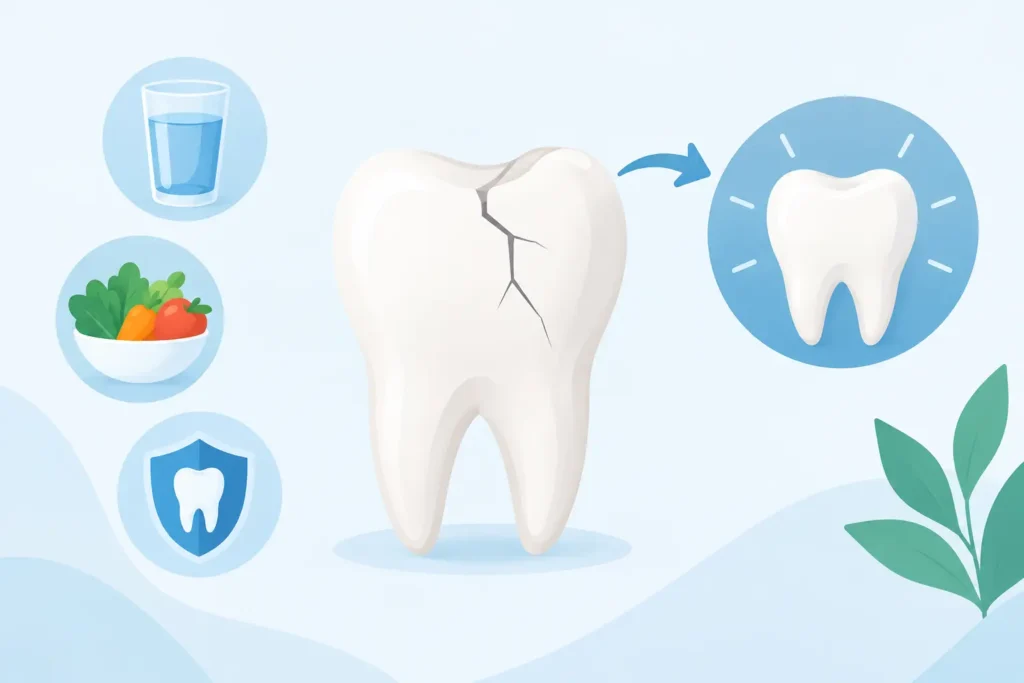
A crack can be easy to dismiss when it is not causing pain. You may notice a sharp sensation when you bite into a bagel, a sudden sensitivity to cold water, or a tiny line in the mirror. The question, “can cracked teeth heal,” has a frustrating but useful answer: teeth cannot repair a crack the way skin or bone can. Prompt dental care can often stop the damage from spreading and help preserve the natural tooth.
That distinction matters. A small crack may remain manageable for years when it is protected early. A deeper crack can allow bacteria to reach the tooth’s inner tissue, leading to infection, severe pain, or a tooth that cannot be saved. Knowing what to watch for helps you make a calm, timely decision.
Can Cracked Teeth Heal on Their Own?
Tooth enamel is the hardest substance in the body, but it does not contain living cells that can rebuild a broken structure. Once enamel is cracked, the crack does not fuse back together. The layers underneath it – dentin and the pulp, which contains nerves and blood vessels – also cannot restore a fractured tooth to its original strength.
Your body can sometimes form a small amount of protective dentin inside a mildly irritated tooth. This may reduce sensitivity, but it does not close the crack or make the tooth structurally whole again. Symptoms can also come and go because the crack opens slightly under chewing pressure, then closes when that pressure stops. Feeling better does not always mean the problem has healed.
The encouraging news is that a dentist can often stabilize a cracked tooth before it becomes more serious. The right treatment depends on the crack’s depth, direction, location, and whether the pulp has been affected.
Not Every Line in a Tooth Is the Same
Fine surface lines, often called craze lines, are common in adult teeth. They usually affect only the enamel and may be visible in front teeth. They are generally painless and often need no treatment beyond monitoring, unless their appearance is a cosmetic concern.
A fractured cusp is a piece of the chewing surface that breaks away, commonly around an older filling. It may feel sharp or sensitive, but the damage often does not reach the pulp. A filling, onlay, or crown can usually restore the tooth comfortably.
A cracked tooth extends from the chewing surface toward the root. It may not be visible on an X-ray, and it can be difficult to diagnose because pain is often inconsistent. You might feel a quick, sharp pain when releasing your bite rather than when biting down.
A split tooth is a crack that has progressed far enough to divide the tooth into separate sections. In some cases, part of the tooth can be retained, but a fully split tooth frequently requires extraction. A vertical root fracture begins in the root and may cause swelling or repeated infection. These fractures are often discovered after discomfort persists or a treated tooth does not heal as expected.
Signs You Should Schedule a Dental Visit Soon
A cracked tooth does not always create obvious pain, but certain symptoms deserve attention. Schedule an examination if you have pain when chewing, sensitivity to hot or cold that lingers, discomfort when you release your bite, a rough or sharp edge, swelling near a tooth, or an unexplained bad taste in your mouth.
Call promptly if a piece of tooth breaks off, facial swelling develops, or pain becomes severe. Swelling, fever, trouble swallowing, or difficulty breathing needs urgent medical attention. Dental infections can spread, and waiting for symptoms to settle can make treatment more involved.
Until you can be seen, avoid chewing on that side and choose softer foods. Rinse gently with warm water if the area feels irritated. An over-the-counter pain reliever may help when used as directed on the label, but do not place aspirin directly on the gum or tooth. It can burn soft tissue and will not repair the crack.
Why Cracks Happen
Teeth are built to handle substantial chewing forces, but repeated stress can eventually create weak points. Grinding or clenching, chewing ice or hard candy, biting down on an unpopped popcorn kernel, large fillings, and uneven bite pressure can all contribute. Teeth that have undergone root canal treatment can also become more brittle over time if they are not protected with an appropriate restoration.
Cracks are more common as we age because teeth have spent years expanding and contracting with hot and cold foods, absorbing bite forces, and undergoing dental work. That does not mean a cracked tooth is inevitable. A well-fitted night guard for grinding, routine preventive care, and avoiding non-food objects such as pen caps can lower the risk.
How Dentists Protect a Cracked Tooth
An exam begins with listening closely to your symptoms. Your dentist may use bite tests, magnification, special lighting, X-rays, and an evaluation of the gums around the tooth. Because cracks can be extremely narrow, diagnosis sometimes takes more than one clue. The goal is to determine whether the tooth can be stabilized and whether its nerve remains healthy.
For a shallow crack or small broken area, dental bonding or a filling may be enough. When a larger portion of the tooth needs protection, an onlay or crown covers the vulnerable structure and holds it together during chewing. This is not simply a cosmetic fix. Proper coverage can prevent the crack from extending into the root.
If bacteria or inflammation have reached the pulp, root canal treatment may be recommended before the tooth is restored with a crown. Root canal treatment removes infected or damaged tissue from inside the tooth while allowing the tooth root to remain in place. It is often the step that makes saving a deeply cracked tooth possible.
When the crack extends too far below the gumline or through the root, extraction may be the healthiest choice. If that happens, your dentist can discuss ways to replace the tooth, including a bridge, denture, or dental implant. Replacing a missing tooth can help maintain chewing function and keep neighboring teeth from shifting.
For busy patients, timing can make a practical difference. At Renaissance Dental Forest Hills, CEREC digital dentistry can allow eligible patients to receive a precisely designed, natural-looking ceramic crown in one appointment. After digital scanning and 3-D design, the restoration is created in-office and placed the same day, reducing the need for a temporary crown and return visit. Not every crack calls for a same-day crown, but efficient care can be especially valuable when a tooth needs prompt protection.
What Happens if You Wait?
A crack does not always worsen immediately, and that uncertainty is what makes waiting tempting. Yet every bite places pressure on the damaged area. A crack that could have been managed with a crown may deepen toward the pulp or root over time. Treatment may then shift from a straightforward restoration to root canal treatment, extraction, and tooth replacement.
There is also no reliable home test for the seriousness of a crack. A tooth can look normal while having a deep fracture, and pain level alone does not reveal how far it extends. An examination offers the clearest path forward and may give you the reassurance that the line you see is only a superficial craze line.
Protecting Your Teeth After Treatment
Once a cracked tooth has been restored, the restoration still needs thoughtful care. Brush twice daily with fluoride toothpaste, clean between teeth every day, and attend regular exams and cleanings. If you clench or grind, ask whether a custom night guard could protect both your restoration and your remaining natural teeth.
Try not to use teeth as tools or chew hard items such as ice, popcorn kernels, and hard candy. If your bite feels uneven after a filling, crown, or other dental treatment, contact your dental office. A small adjustment can prevent repeated excess pressure on one tooth.
A cracked tooth cannot biologically heal, but it can often be protected before the damage takes away your options. If a tooth feels different when you chew, is suddenly sensitive, or has a visible chip or line, trust that change and arrange an evaluation. Early care is often the simplest way to keep your natural smile working comfortably.
Comments are closed.
Proudly serving the surrounding areas:
Forest Hills NY • Queens NY • Rego Park NY • Kew Gardens NY • Maspeth NY
Middle VIllage NY • Woodside NY • Sunnyside NY • Jamaica Estates NY • Queens County NY