111-01 Queens
Boulevard,
Forest Hills, NY 11375


Latest Posts
Dental Implants Queens: A Clear Patient Guide
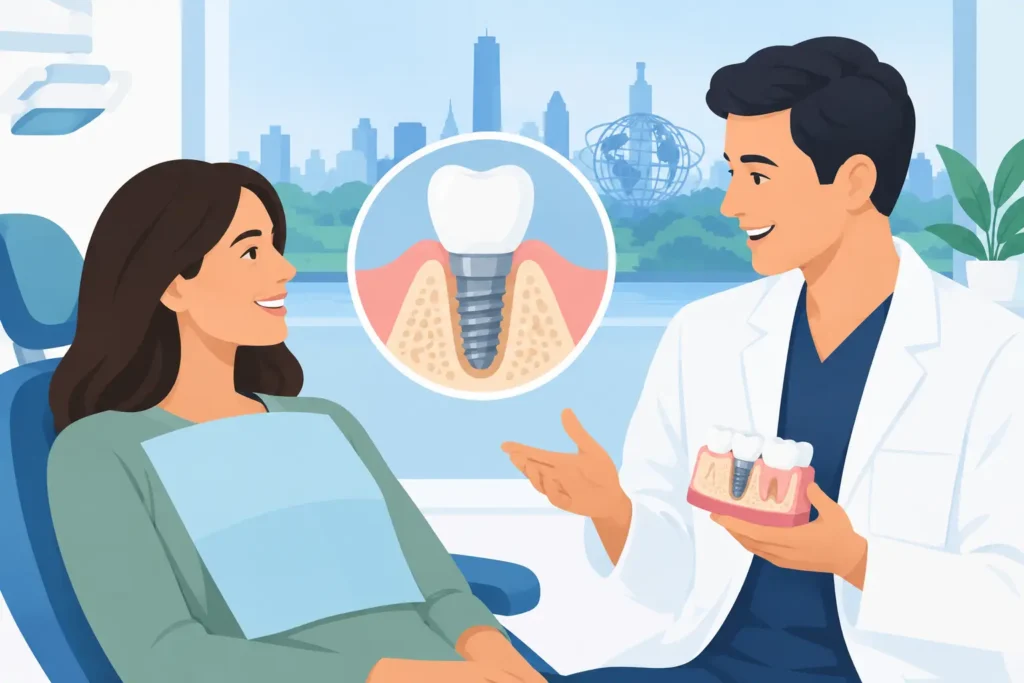
A missing tooth can affect much more than a photograph. It can change how comfortably you chew, how clearly you speak, and how confidently you smile with friends, family, or colleagues. The search for dental implants Queens residents can rely on often begins with one practical question: can a replacement tooth feel secure and look natural? For many patients, the answer is yes, with careful diagnosis, thoughtful planning, and a treatment plan designed around their health and goals.
Dental Implants in Queens Start With a Personal Plan
A dental implant is a small post, usually made from biocompatible titanium, that is placed in the jawbone to replace a missing tooth root. After the area heals, the implant supports a custom crown, bridge, or denture. Unlike a removable appliance, an implant is fixed in place, so it can provide the stability many patients want for everyday eating and speaking.
No two implant plans are identical. A person replacing one back tooth has different needs from someone whose loose denture makes meals difficult. Your dentist will consider the location of the missing tooth, the condition of your gums, the amount of available bone, your bite, and your overall medical history. This detailed planning helps create a result that is comfortable, functional, and proportioned to your smile.
Dental implants can replace a single tooth, several teeth, or an entire arch. In some cases, implants can support a bridge without placing a crown on neighboring healthy teeth. For patients missing most or all teeth, a small number of strategically placed implants may retain a fixed full-arch restoration or a more stable denture. The right choice depends on anatomy, lifestyle, budget, and the level of permanence you prefer.
Who May Be a Candidate for Dental Implants?
Many healthy adults are candidates, including people who have lived with a missing tooth for years. Healthy gum tissue and adequate jawbone are helpful, but they are not the only factors. Bone grafting or other preparatory treatment may make implant care possible for patients who have experienced bone loss after an extraction or long-term tooth loss.
Gum disease should be treated and controlled before implant placement. Since implants rely on healthy surrounding bone and gum tissue, ongoing periodontal maintenance matters after treatment as well. Smoking, uncontrolled diabetes, certain medications, teeth grinding, and some medical conditions can affect healing or long-term success. These factors do not automatically rule out implants, but they should be discussed honestly so your care team can plan safely.
Children and teens are generally not candidates for implants until jaw growth is complete. For adults, age alone is rarely the deciding factor. A thorough examination is more meaningful than a number on a birthday card.
Why replacing a missing tooth sooner can help
When a tooth is missing, the surrounding teeth may gradually shift into the open space. The opposing tooth can also move out of position. Over time, the jawbone in the area may shrink because it no longer receives stimulation from a tooth root. This does not mean every extraction requires an immediate implant, but it does explain why an early conversation about replacement options can be valuable.
What the Dental Implant Process Usually Looks Like
Implant treatment is a series of coordinated steps, not a one-size-fits-all procedure. Some patients need only a straightforward placement and restoration. Others benefit from a staged plan that addresses infection, gum health, bone support, or an existing failing bridge or denture first.
1. Examination and digital treatment planning
The first visit typically includes an exam, digital imaging, and a conversation about what you want to change. Advanced 3-D imaging allows the dentist to evaluate bone volume and map the location of important structures, including nerves and sinus spaces. You should also expect a review of your medical history and medications, along with a discussion of costs, timing, and alternatives.
At Renaissance Dental Forest Hills, guided implant surgery can help translate digital planning into precise treatment. A custom surgical guide is designed to support accurate implant positioning based on the planned restoration, bite, and available bone. Technology supports the clinician’s judgment, but it also gives patients a clearer understanding of why each step is recommended.
2. Preparing the site when needed
If a tooth must be removed, the extraction site may need time to heal before implant placement. In other situations, an implant can be placed at the time of extraction. Whether immediate placement is appropriate depends on factors such as infection, bone quality, and the stability that can be achieved during surgery.
A bone graft may be recommended when there is not enough bone to support an implant predictably. While this can add treatment time, it may improve the foundation for a long-lasting result. For patients considering full-mouth rehabilitation, treatment may also involve addressing bite concerns, remaining damaged teeth, or periodontal disease before the final teeth are made.
3. Implant placement and healing
During implant placement, the post is positioned in the jawbone under local anesthesia. Sedation options may be discussed for patients with significant dental anxiety or more complex care. Mild soreness, swelling, or bruising can occur afterward, but many patients return to normal routines quickly with instructions for diet, hygiene, and medication.
The implant then needs time to bond with the bone in a process called osseointegration. Healing can take several months, though the timeline varies by patient and treatment site. A temporary tooth may be available in some cases, particularly when appearance is a concern. It is important not to confuse a temporary solution with the final restoration. The final crown or bridge should be placed when the implant and surrounding tissues are ready.
4. Creating the final tooth or teeth
Once healing is complete, your dentist takes digital impressions or scans to design the final crown, bridge, or implant-supported denture. The goal is not simply to fill a gap. The restoration should match the shape, color, and bite of your natural teeth while allowing you to clean around it effectively.
In-office CEREC digital dentistry can be especially helpful when creating precise, color-matched ceramic restorations. While many traditional crowns can be completed in one appointment, implant restorations may require additional steps to ensure the connection and bite are correct. Your team should explain what can be completed in one visit and what requires staged care before treatment begins.
Implant Crowns, Bridges, and Permanent Dentures
A single implant crown is designed to replace one missing tooth. It is often an excellent option when adjacent teeth are healthy and do not need crowns themselves. An implant-supported bridge can replace several missing teeth, using implants as anchors rather than relying on natural teeth at either end.
For people struggling with loose or uncomfortable dentures, implant-supported dentures may offer a meaningful change. Some are removable for cleaning but snap securely onto implants. Others are fixed and can only be removed by the dental team. Fixed full-arch teeth can feel closer to natural teeth, but they require a serious commitment to daily hygiene and professional maintenance. Removable options may cost less and can be easier to clean, making them a strong choice for many patients.
The Cost of Dental Implants: What Changes the Estimate?
Dental implant fees reflect more than the surgical placement. Your treatment plan may include imaging, extractions, bone grafting, the implant post, an abutment that connects the post to the restoration, and the final crown, bridge, or denture. Complexity, materials, the number of implants, and the need for preparatory care all affect the total.
A low advertised starting price may not include all of these components. Ask for a written treatment plan that explains what is included, what may be needed later, and whether your dental benefits provide coverage for any part of care. Comparing complete plans is more useful than comparing a single number. A well-planned implant is intended to be a long-term investment in comfort, oral function, and confidence.
Caring for Dental Implants for the Long Term
Implants cannot get cavities, but the gums and bone around them can still develop inflammation or infection. Daily brushing, cleaning between teeth or around the implant restoration, and regular professional visits are essential. Your dentist may recommend specific brushes, flossing tools, or a water flosser based on the type of restoration you have.
If you grind your teeth, a nightguard can help protect both natural teeth and implant restorations from excess force. Report bleeding gums, a change in your bite, looseness, pain, or persistent bad taste promptly. Early attention can often prevent a small concern from becoming a larger one.
A good implant plan is built around more than replacing a tooth. It should help you eat, speak, smile, and maintain your oral health with greater ease. The most helpful next step is a personalized consultation where your questions, timeline, and comfort are given the same care as your smile.
Comments are closed.
Proudly serving the surrounding areas:
Forest Hills NY • Queens NY • Rego Park NY • Kew Gardens NY • Maspeth NY
Middle VIllage NY • Woodside NY • Sunnyside NY • Jamaica Estates NY • Queens County NY