111-01 Queens
Boulevard,
Forest Hills, NY 11375


Latest Posts
Healthy Gums Habits That Protect Your Smile
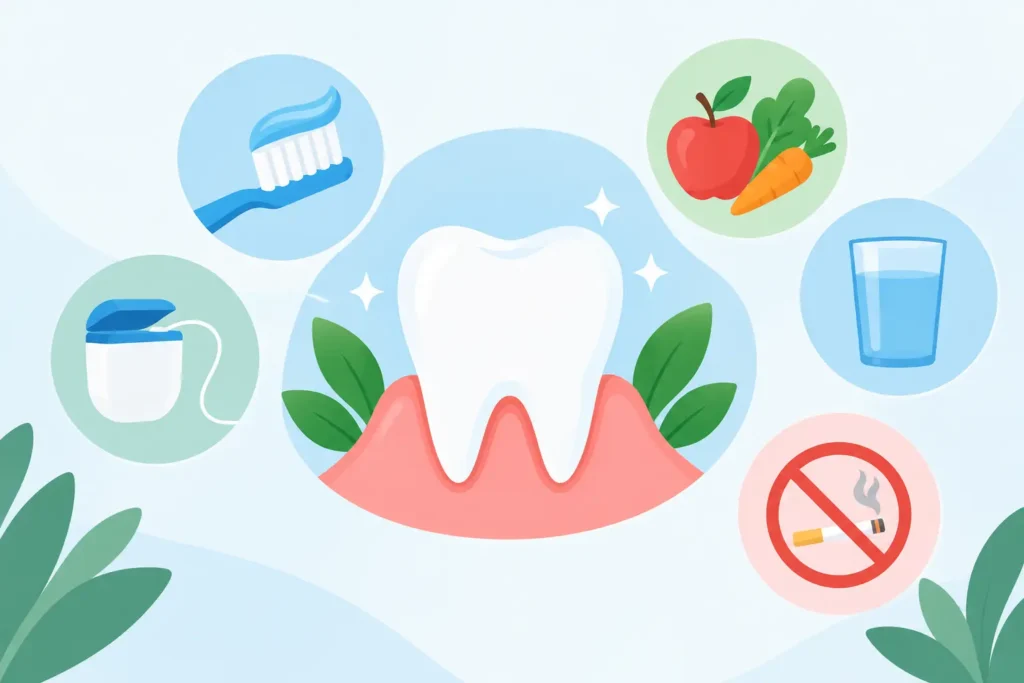
A little pink in the sink after brushing may seem easy to ignore, especially during a busy morning. But bleeding, tender, or swollen gums are often an early signal that plaque is collecting where a toothbrush cannot fully reach. Healthy gums habits are not complicated or time-consuming. They are small, consistent choices that protect your smile, freshen your breath, and support the long-term health of your teeth.
For families in Forest Hills and across Queens, the most effective routine is the one that fits real life. It should work before school, after late workdays, and during the hectic stretches when dental care can slip down the priority list.
Why gum health deserves daily attention
Your gums form a protective seal around your teeth. When sticky bacterial plaque remains along the gumline, the gums can become inflamed. This earliest stage of gum disease is called gingivitis. Common signs include bleeding when brushing or flossing, redness, puffiness, tenderness, and persistent bad breath.
Gingivitis can often improve with consistent home care and professional cleanings. If inflammation progresses deeper below the gumline, however, it can develop into periodontal disease. This may lead to gum recession, bone loss, loose teeth, and more complex treatment needs. The goal is not to brush harder. It is to remove plaque gently and thoroughly every day, then have hardened buildup removed during regular dental visits.
Healthy gums habits to practice every day
Brush twice daily with a gentle technique
Brush for two full minutes in the morning and before bed using a soft-bristled toothbrush and fluoride toothpaste. Aim the bristles toward the gumline and use small, gentle circles rather than vigorous back-and-forth scrubbing. Brushing too aggressively can irritate gum tissue and contribute to recession, particularly if you already have sensitive gums.
An electric toothbrush can be helpful for children, teens, adults with busy schedules, and anyone who tends to rush. Many models include a timer and pressure sensor, which can make a better technique easier to maintain. A manual soft toothbrush can work just as well when used carefully and consistently.
Replace the brush head or toothbrush about every three months, or sooner if the bristles are frayed. Worn bristles do not clean as effectively and can make it harder to reach the gumline comfortably.
Clean between your teeth once a day
A toothbrush cleans the front, back, and chewing surfaces of teeth, but it cannot adequately clean the tight spaces between them. Flossing once a day removes plaque and food debris from these areas and just below the gumline.
If traditional string floss feels awkward, try floss picks, a water flosser, or small interdental brushes. The best option depends on the spacing between your teeth, whether you have braces or bridges, and your ability to use the tool consistently. For many people, the most successful choice is simply the one they will use every day.
If your gums bleed when you begin flossing, do not stop immediately. Bleeding can be a sign of existing inflammation, and gentle daily cleaning may reduce it over time. If bleeding continues after a week or two of careful brushing and flossing, schedule a dental evaluation rather than assuming it will resolve on its own.
Give your mouth a break from frequent sugar
Sugar does not only affect cavities. Frequent sweet snacks, sugary coffee drinks, soda, sports drinks, and candies can leave bacteria with a steady food source. Those bacteria produce acids and contribute to plaque buildup around both teeth and gums.
You do not need a perfect diet to support your mouth. Timing matters. Having a sweet item with a meal is generally easier on teeth than sipping or snacking on it throughout the day. Water is the better between-meal drink, particularly for busy commuters, students, and children who carry a bottle to school or activities.
Crunchy produce, proteins, dairy products, and other balanced meal choices can support saliva flow and overall oral health. Saliva is one of the mouth’s natural defenses because it helps rinse away food particles and neutralize acids.
Stay ahead of dry mouth
A dry mouth can make plaque control harder because there is less saliva to wash away bacteria. Dehydration, mouth breathing, certain medications, medical conditions, and alcohol-containing products can all contribute. Sip water throughout the day and consider a moisturizing mouth rinse or saliva-supporting product if dryness is frequent.
Do not overlook persistent dry mouth, especially if you notice new cavities, mouth soreness, or difficulty wearing dentures. A dentist can help identify practical steps and determine whether your medications or health history may be playing a role.
Habits that need more than a home routine
Some people need closer gum monitoring even with excellent brushing and flossing. Diabetes, pregnancy-related hormonal changes, smoking or vaping, certain medications, a family history of gum disease, and a previous diagnosis of periodontal disease can all affect the gums.
Tobacco use is especially challenging for gum health. It can reduce blood flow, slow healing, and mask visible bleeding, so gums may appear less inflamed than they truly are. Quitting is beneficial for your oral health as well as your overall health, and your dental team can provide practical support.
If you have dental implants, crowns, bridges, dentures, or orthodontic appliances, cleaning around them deserves extra attention. Restorations are designed to restore function and appearance, but they still need healthy gum tissue around them. Your dentist or hygienist can recommend the best brush, floss threader, interdental brush, or water flosser attachment for your specific dental work.
What professional gum care adds
Even an excellent routine cannot remove tartar, the hardened form of plaque that builds up over time. Professional cleanings remove tartar from areas that are difficult to reach at home. Regular exams also allow the dental team to measure gum health, check for recession, evaluate bone support, and spot changes before they become painful or costly to treat.
For some patients, cleanings every six months are appropriate. Others with a history of periodontal disease may benefit from periodontal maintenance visits more often. There is no single schedule that fits every patient. Your needs can change with your health, home care routine, and the condition of your gums.
Contact a dentist promptly if you notice gums that bleed regularly, persistent bad breath, swelling, pus around a tooth, gum recession, a change in your bite, or a loose tooth. Tooth pain is not required for gum disease to be present. Early care is usually more comfortable and more conservative than waiting until symptoms become severe.
Helping children build healthy gums habits
Children learn oral care by watching the adults around them. Begin brushing as soon as the first tooth appears, using an age-appropriate amount of fluoride toothpaste. Young children need help brushing thoroughly, particularly along the gumline and back teeth, until they have the hand coordination to do it well on their own.
Make the routine predictable rather than a nightly negotiation. A favorite two-minute song, a timer, or brushing together can help. As permanent teeth begin touching, ask your dental team when and how to introduce flossing. Preventive visits also give children a calm, familiar place to ask questions and build confidence about dental care.
Healthy gums do not require perfection. They respond to steady care: gentle brushing, daily cleaning between teeth, sensible food and drink habits, and professional visits that match your needs. At Renaissance Dental Forest Hills, we help patients of every age create practical routines and address concerns early, so caring for your smile can feel manageable even on your busiest days.
Comments are closed.
Proudly serving the surrounding areas:
Forest Hills NY • Queens NY • Rego Park NY • Kew Gardens NY • Maspeth NY
Middle VIllage NY • Woodside NY • Sunnyside NY • Jamaica Estates NY • Queens County NY