111-01 Queens
Boulevard,
Forest Hills, NY 11375


Latest Posts
Periodontal Maintenance After Deep Cleaning
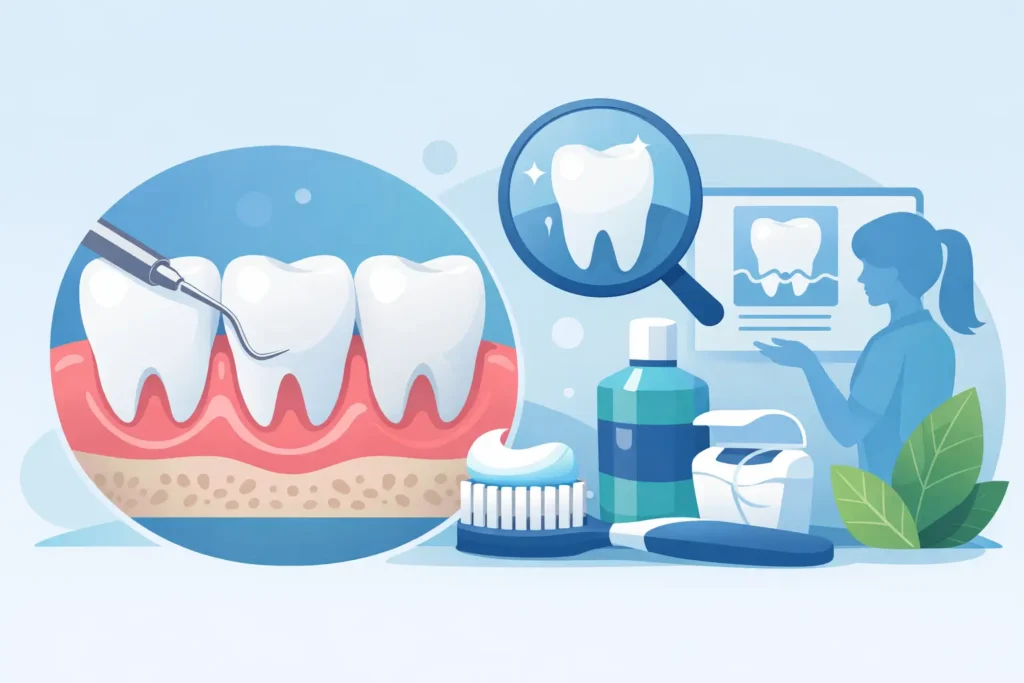
A deep cleaning can be a turning point for gum health, but it is not a one-time cure for periodontal disease. Periodontal maintenance after deep cleaning is the ongoing care that helps keep harmful bacteria from rebuilding below the gumline, where a toothbrush and regular cleaning cannot fully reach.
For many patients, the goal is simple: protect the teeth they have, control inflammation, and avoid the discomfort and expense of more advanced treatment later. With personalized maintenance visits and consistent home care, periodontal disease can often be managed successfully over the long term.
What Deep Cleaning Treats
Deep cleaning, also called scaling and root planing, treats areas affected by gum disease. When plaque hardens into tartar below the gumline, it creates an environment where bacteria can irritate the gums and damage the supporting bone around the teeth.
During treatment, your dental team carefully removes plaque and tartar from the tooth roots and smooths the root surfaces. This makes it harder for bacteria to cling to the teeth and gives inflamed gum tissue an opportunity to heal. Depending on the extent of disease, deep cleaning may be completed in separate sections of the mouth and may involve local anesthetic for comfort.
The treatment addresses the infection and buildup present at that time. However, periodontal disease is generally a chronic condition. Bacteria begin to repopulate soon after cleaning, and some patients are more likely than others to experience recurring inflammation. That is why follow-up care matters so much.
Why Periodontal Maintenance After Deep Cleaning Matters
A standard preventive cleaning is designed for patients with healthy gums and shallow gum pockets. Periodontal maintenance is different. It is designed for patients who have been treated for gum disease and need continuing care to protect their results.
At a periodontal maintenance appointment, the dental team evaluates the condition of your gums, measures periodontal pockets when appropriate, checks for bleeding and inflammation, and removes plaque and tartar from areas that are vulnerable to recurrence. The visit may also include an assessment of tooth mobility, bite changes, home-care habits, and any areas that need extra attention.
This care is not simply a more frequent cleaning. It is a structured way to monitor a condition that can progress quietly. Gum disease is often painless in its earlier stages, even while it affects the tissues that hold your teeth in place. Regular maintenance gives your dentist the chance to spot changes before they become more difficult to treat.
For patients with dental implants, bridges, crowns, or dentures, maintenance is also especially valuable. These restorations can be highly durable, but they still require careful cleaning around the gums and supporting structures. Healthy gum tissue is essential to the long-term success of natural teeth and implants alike.
How Often Will You Need Maintenance Visits?
Many patients need periodontal maintenance every three to four months after deep cleaning. This schedule is commonly recommended because bacterial buildup can return below the gumline before a typical six-month cleaning interval.
Still, there is no single schedule that fits every patient. Your recommended interval may depend on the depth of your gum pockets, the amount of bone loss present, whether your gums bleed easily, your home-care routine, and health factors such as diabetes or smoking. Some people may eventually move to longer intervals when their periodontal condition remains stable. Others benefit from closer monitoring.
Your dental team should explain why a particular recall schedule is recommended for you. The purpose is not to add unnecessary appointments. It is to provide care at intervals that give your gums the best opportunity to remain healthy and stable.
What Happens at a Maintenance Appointment?
A periodontal maintenance visit usually begins with a review of any changes in your health, medications, or dental concerns. Your dentist or hygienist checks the gums for swelling, bleeding, recession, and changes in pocket depth. If an area is not responding as expected, digital X-rays or additional periodontal measurements may be recommended.
Plaque and tartar are then removed from above and below the gumline as needed. The exact approach depends on your gum condition and the areas involved. Your teeth are polished, and your home-care technique can be reviewed so you leave with clear, practical guidance rather than generic advice.
If your gums are tender or if deeper areas need treatment, tell your team. Comfort matters. Local anesthetic, gentle techniques, and treatment pacing can help make periodontal visits more manageable, especially for patients with dental anxiety or sensitivity.
What You Can Do Between Visits
Professional maintenance works best when it is paired with daily home care. Brushing twice a day with a soft-bristled toothbrush and fluoride toothpaste helps control plaque at the gumline. Cleaning between the teeth once a day is equally important, since gum disease often persists in spaces a toothbrush cannot reach.
The best interdental tool depends on your mouth. Floss may work well for tight contacts, while an interdental brush or water flosser may be more effective around larger spaces, bridges, braces, or implants. Your dental team can show you how to use the right option without irritating the gums.
Lifestyle choices matter, too. Smoking and vaping can make gum disease harder to control and may hide signs such as bleeding. Diabetes that is not well managed can also affect how the gums respond to bacterial infection. If either factor applies to you, your maintenance plan may need closer coordination with your broader health care routine.
A healthy diet supports oral health, but it does not replace cleaning plaque from the teeth. Limiting frequent sugary snacks and drinks can reduce cavity risk, while drinking water and maintaining regular brushing help keep the mouth cleaner between meals.
Signs You Should Call Before Your Next Visit
Do not wait for a scheduled maintenance appointment if you notice a new or worsening concern. Contact your dental office if your gums bleed more than usual, appear swollen, or feel sore; if you have persistent bad breath or an unpleasant taste; if a tooth feels loose or your bite feels different; or if you notice pus, gum recession, or sensitivity near the roots.
These signs do not always mean periodontal disease is advancing, but they deserve an evaluation. A cracked tooth, an ill-fitting restoration, tooth grinding, or another dental condition can also cause symptoms that need attention.
When Additional Periodontal Treatment May Be Needed
Maintenance helps control gum disease, but some areas may not heal as hoped after deep cleaning. Deep pockets, persistent bleeding, infection, or continued bone loss can mean that further treatment is appropriate. Depending on your needs, this might involve localized deep cleaning, laser treatment, medication, referral to a periodontist, or treatment planning for teeth that cannot be predictably saved.
That possibility can feel discouraging, but it is better understood as a careful reassessment of your health. Periodontal care is not all-or-nothing. A treatment plan can be adjusted as your mouth changes, with the focus always on protecting comfortable function and preserving as much healthy tissue as possible.
At Renaissance Dental Forest Hills, periodontal maintenance is part of comprehensive care for patients and families across Queens. Your visit can be coordinated with preventive exams, restorative needs, and long-term plans for crowns, bridges, or implants, so your care stays organized and convenient.
Keeping your follow-up visits may be one of the most practical investments you can make in your smile. If you have had deep cleaning and are unsure when to return, a periodontal evaluation can give you a clear plan based on your gums, your health, and the teeth you want to keep.
Comments are closed.
Proudly serving the surrounding areas:
Forest Hills NY • Queens NY • Rego Park NY • Kew Gardens NY • Maspeth NY
Middle VIllage NY • Woodside NY • Sunnyside NY • Jamaica Estates NY • Queens County NY