111-01 Queens
Boulevard,
Forest Hills, NY 11375

Latest Posts
Top Signs of Gum Recession You Should Not Ignore
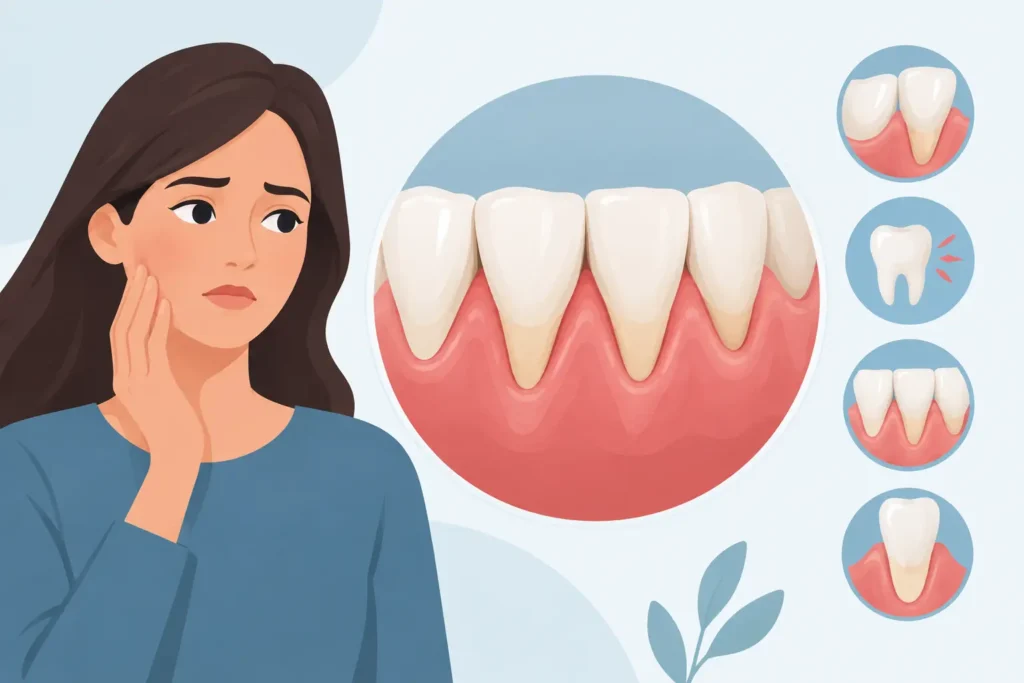
A tooth that suddenly looks longer than the teeth beside it can be more than a cosmetic change. It may be one of the top signs of gum recession, a condition in which gum tissue pulls away from the tooth and exposes more of the root surface. Gum recession is common, but it should not be ignored. The earlier it is evaluated, the more options you may have to protect your teeth, manage sensitivity, and preserve a healthy-looking smile.
Gum tissue does not grow back on its own in most cases. Still, recession can often be slowed or stabilized with the right periodontal care, daily habits, and treatment plan. For patients in Forest Hills and throughout Queens, recognizing the changes early can make dental care more straightforward and less invasive.
What Is Gum Recession?
Healthy gums fit closely around each tooth, creating a protective seal that helps keep bacteria away from the supporting bone. When gums recede, that protective tissue moves downward on lower teeth or upward on upper teeth, leaving part of the tooth root exposed.
Roots are not covered by the hard enamel that protects the visible portion of a tooth. Instead, they are covered by cementum, a softer material that can wear away more easily. This is why receding gums may lead to sharp sensitivity, a greater risk of root cavities, and changes in the appearance of your smile.
Recession may affect one tooth, several teeth, or the entire gumline. It can progress slowly enough that you do not notice it until a routine exam, which is one reason regular cleanings and periodontal evaluations are so valuable.
Top Signs of Gum Recession
Teeth that appear longer than before
A longer-looking tooth is one of the clearest visual signs of gum recession. The tooth itself has not grown. More of it has become visible because the gumline has shifted.
This can be especially noticeable around the lower front teeth, canines, or upper teeth that show when you smile. Compare current photos with older pictures if you are unsure whether your gumline has changed. Uneven gumlines, where one tooth seems much longer than its neighbor, also deserve a professional evaluation.
New sensitivity to cold, heat, or sweets
If sipping iced water, eating ice cream, or breathing in cold air causes a quick, sharp sensation near the gumline, exposed roots may be involved. Sensitivity can also occur with hot foods, sugary drinks, or tooth brushing.
Sensitivity does not always mean recession. A cavity, cracked tooth, worn enamel, or whitening treatment may cause similar discomfort. The pattern matters. Sensitivity that is concentrated at the gumline, especially alongside visible root exposure, is a reason to schedule an exam.
Notches, grooves, or color changes near the gumline
Exposed roots often look different from enamel. They may appear slightly darker, more yellow, or duller in color. You might also feel a small indentation near the gumline with your tongue or fingernail.
These notches can develop when aggressive brushing, tooth grinding, acidic foods and beverages, or recession expose and wear the root surface. They are not simply an aesthetic concern. Root surfaces are more vulnerable to decay, so catching these changes early can help protect the tooth.
Gumline changes around one or more teeth
Healthy gums generally have a balanced, smooth contour. If the gums look pulled back, thin, uneven, or lower around a particular tooth, recession may be developing. Some people notice a small triangular space between teeth near the gumline, sometimes called a black triangle.
A black triangle can occur for several reasons, including changes in the small gum tissue between teeth, tooth movement, or bone loss. It does not confirm gum recession by itself, but it is worth discussing during a dental visit, particularly if food begins getting trapped in the space.
Bleeding, swelling, or persistent bad breath
Gum recession and gum disease are related but not identical. Recession can occur from brushing too hard or naturally thin gum tissue, while periodontal disease is driven by bacterial infection and inflammation. However, untreated gum disease is a significant cause of recession.
Bleeding when brushing or flossing, puffy gums, tenderness, a bad taste, or breath that does not improve with daily hygiene can signal inflammation. These symptoms should never be dismissed as normal. Healthy gums should not regularly bleed.
Loose teeth or a changing bite
More advanced periodontal disease can damage the bone and connective tissues that support teeth. In that situation, recession may occur along with tooth mobility, spaces that are widening, or a bite that suddenly feels different.
A loose tooth is not a wait-and-see symptom. Prompt care may help control infection and preserve as much natural tooth support as possible. Treatment depends on the cause and may include deep cleaning, periodontal maintenance, bite adjustment, splinting, or restorative planning.
Why Gums Recede
There is rarely one explanation for every patient. Plaque and tartar buildup can trigger gum inflammation and periodontal disease, while brushing with a hard-bristled brush or using too much pressure can gradually wear the gumline away. Grinding and clenching can add stress to teeth and supporting tissues.
Other factors may include smoking or vaping, poorly positioned teeth, orthodontic movement, lip or tongue piercings, hormonal changes, genetics, and naturally thin gum tissue. Even patients with very careful home care can develop recession if their tissue is delicate or their bite places excessive force on certain teeth.
This is why treatment should be individualized. Someone with early recession caused by brushing technique may need a softer brush and gentler method. Someone with active periodontal disease needs infection control first. Someone with progressive recession around a thin gumline may benefit from a periodontal specialist’s opinion about gum grafting.
What Happens at a Gum Recession Evaluation?
A dental exam can determine whether the gumline has changed and, just as importantly, why. Your dental team will measure the spaces between teeth and gums, check for bleeding and inflammation, assess tooth mobility, and look for areas of exposed root or root decay. Digital X-rays may be used to evaluate the bone supporting your teeth.
The goal is not simply to point out a receding gumline. It is to identify whether the condition is stable, progressing, or connected to periodontal disease, bite problems, grinding, or oral hygiene habits. That information guides a practical plan that fits your needs and schedule.
At Dental Renaissance, patients can receive comprehensive care in one setting, from preventive cleanings and periodontal maintenance to restorative treatment if root decay or worn tooth structure needs attention. If a crown is necessary, digital CEREC dentistry may allow an accurately designed, natural-looking ceramic restoration in a single appointment when appropriate.
How to Protect Your Gumline at Home
Use a soft-bristled toothbrush and light pressure. Think of brushing as massaging away plaque rather than scrubbing a surface clean. Hold the brush at a gentle angle toward the gumline, use small motions, and allow the bristles to do the work. An electric toothbrush with a pressure sensor can be helpful for people who tend to brush forcefully.
Clean between teeth every day with floss, interdental brushes, or another method recommended by your dentist. If your gums bleed when you start flossing consistently, do not assume the floss is harming them. Bleeding often reflects inflammation, although persistent or heavy bleeding should be evaluated.
If you clench or grind your teeth, ask whether a custom night guard could reduce stress on your teeth and gums. Limiting tobacco use, managing dry mouth, and keeping up with professional cleanings also support healthier gum tissue. No home routine can reverse significant recession, but consistent care can help prevent additional damage.
When to Schedule a Visit
Make an appointment if you notice sensitivity near the gumline, teeth that look longer, bleeding gums, visible roots, new spaces between teeth, or a loose tooth. Same-day evaluation may be appropriate for severe pain, swelling, pus, facial swelling, or a tooth that has suddenly become mobile.
Gum recession can feel easy to postpone because it is often painless at first. A timely exam gives you clear answers and the opportunity to protect the teeth you rely on every day.
Comments are closed.
Proudly serving the surrounding areas:
Forest Hills NY • Queens NY • Rego Park NY • Kew Gardens NY • Maspeth NY
Middle VIllage NY • Woodside NY • Sunnyside NY • Jamaica Estates NY • Queens County NY