111-01 Queens
Boulevard,
Forest Hills, NY 11375



Latest Posts
Understanding Early Childhood Tooth Decay
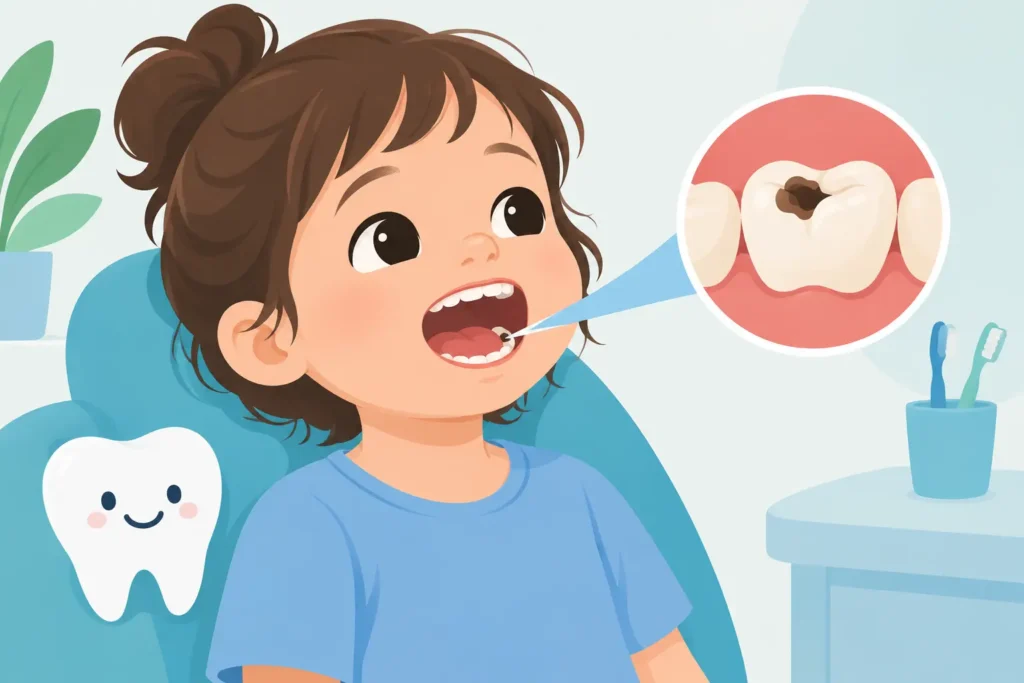
A chalky white spot near a toddler’s gumline can be easy to miss, especially when a child is wiggling through toothbrushing or smiling for just a moment. Yet that small change may be the first visible sign of a cavity. Understanding early childhood tooth decay gives parents a clearer way to protect baby teeth before discomfort, infection, or more involved treatment becomes necessary.
Early childhood tooth decay is common, treatable, and often preventable. It is not a sign that a parent has failed. Young children have developing brushing skills, changing diets, unpredictable routines, and sometimes a strong preference for sweet drinks or bedtime comfort. The goal is to recognize risk early and build practical habits that work for your family.
What early childhood tooth decay means
Early childhood tooth decay describes cavities that develop in babies and young children, typically in the primary teeth. A cavity begins when mouth bacteria use sugars and carbohydrates from food and drinks to create acids. Those acids repeatedly weaken the hard outer layer of a tooth, called enamel. Over time, a weakened area can become a hole in the tooth.
The upper front teeth are often affected first, particularly when sugary or milk-containing liquids remain on the teeth for long periods. Molars can also develop cavities because their chewing surfaces have deep grooves and are harder for little hands to clean. Decay may progress more quickly in baby teeth than many parents expect because their enamel is thinner than adult enamel.
Baby teeth deserve careful protection. They help children chew comfortably, speak clearly, hold space for permanent teeth, and feel confident when they smile. When decay causes pain or a tooth is lost too early, it can affect eating, sleep, school readiness, and the development of the adult teeth beneath it.
Why cavities can start so early
Tooth decay does not come from sugar alone. It usually develops from a combination of frequent exposure to sugars or starches, bacteria in the mouth, and plaque that is not fully removed. How often teeth are exposed can matter as much as how much sugar a child has at one sitting.
Sipping juice, sweetened milk, sports drinks, soda, or flavored beverages throughout the day keeps the teeth in repeated contact with sugar and acid. Even plain milk can contribute to risk when it stays on teeth overnight after brushing. Frequent snacking on crackers, cookies, cereal, dried fruit, and other carbohydrates can have a similar effect, particularly when water and brushing do not follow.
Bedtime deserves special attention. Saliva flow naturally drops during sleep, so the mouth has less ability to rinse away food particles and neutralize acids. Putting a child to bed with a bottle or sippy cup containing anything other than water can leave sugars against the teeth for hours.
Some children are more cavity-prone even with attentive care. Enamel may be naturally weaker, teeth may be crowded, medications can cause dry mouth, and a child’s medical or developmental needs may make brushing harder. A dentist can help families create a prevention plan that accounts for these real-life factors.
Early signs parents may notice
Cavities do not always begin as a dark hole or a painful toothache. The earliest sign can be a dull, chalky white band or spot near the gums, especially on the front teeth. As enamel breaks down further, those areas may turn yellow, brown, or black.
A child may also avoid chewing on one side, pull away from cold foods, complain that a tooth hurts, or wake at night more often. Bad breath that continues despite brushing, visible pits in a tooth, and food repeatedly catching in the same place are also reasons to schedule an exam.
Pain can signal that decay has reached deeper layers of the tooth, but waiting for pain is not a good screening method. Some cavities cause little or no discomfort until they become advanced. Regular dental visits allow a clinician to find early changes that are difficult to see at home.
Understanding early childhood tooth decay prevention
Prevention begins as soon as the first tooth appears. Before then, gently wiping a baby’s gums with a clean, soft cloth can establish a comforting routine. Once teeth erupt, brush twice daily with a soft, child-sized toothbrush and a small smear of fluoride toothpaste for children under age 3. For children ages 3 through 6, use a pea-sized amount and help them spit out the excess.
Young children need adult help with brushing longer than many families realize. Most do not have the coordination to clean thoroughly on their own until around age 6 to 8. Letting a child take a turn can build independence, but an adult should finish the job, especially along the gumline and on back teeth.
Flossing becomes necessary when two teeth touch closely enough that a toothbrush cannot reach between them. This often happens in the toddler and preschool years. It may take practice, but even a brief, consistent flossing routine can protect the surfaces where cavities commonly begin.
Food and drink choices should support the routine rather than make it harder. Water between meals and snacks is the best everyday drink. Save juice, sweet treats, and sticky snacks for occasional moments instead of all-day grazing, and offer them with meals when possible. After brushing at night, water is the safest choice in a bottle or cup.
Fluoride is another useful layer of protection. In the right amount, fluoride helps strengthen enamel and can help reverse very early mineral loss before a cavity forms. A dentist can advise parents about fluoride toothpaste, professional fluoride treatments, and whether a child’s drinking water provides enough fluoride.
When your child should see a dentist
A child should have a first dental visit by their first birthday or within six months of the first tooth coming in, whichever comes first. This early appointment is often simple and gentle. It gives the dental team a chance to check tooth development, discuss feeding and brushing habits, and help parents understand their child’s personal risk for cavities.
After that, the ideal recall schedule depends on the child. Some children benefit from routine preventive visits every six months, while children with active decay, weak enamel, or higher risk may need more frequent monitoring. Preventive care may include cleanings, fluoride, home-care coaching, and sealants when appropriate for the chewing surfaces of back teeth.
Call sooner if you see discoloration, a chipped or broken tooth, swelling, bleeding gums that persist, sensitivity, or a complaint of pain. Facial swelling, fever with dental pain, difficulty swallowing, or trouble breathing requires urgent medical and dental attention.
If a cavity is already present
A cavity does not mean a child will automatically need extensive treatment. The approach depends on how early it is found, the tooth involved, the child’s comfort, and whether the decay has reached the inner nerve tissue. Very early enamel changes may be managed with fluoride, diet adjustments, improved plaque removal, and close observation.
When a cavity has created a hole, a filling may be the best way to stop it from growing. Larger cavities may need a crown to restore strength and function, especially on a baby molar that needs to remain in place for years. If infection reaches the nerve, treatment may involve caring for the inside of the tooth or, in some cases, removing it and considering a space maintainer.
The right plan should be explained in clear terms: what the tooth needs now, what may happen if treatment is delayed, and how to keep future cavities from developing. At Renaissance Dental Forest Hills, families can expect that conversation to focus on comfort, prevention, and practical care that fits a child’s needs.
Make the next routine easier
Children respond well to calm repetition. A favorite song, a two-minute timer, letting them choose a toothbrush color, or brushing together can turn resistance into familiarity over time. Avoid using dental visits as a threat. Present them as part of growing up, like haircuts or checkups, and let the dental team help create positive early experiences.
A healthy smile is built in small daily moments: the last brush before bed, water after a snack, and an early call when something does not look right. Those moments can protect more than teeth. They can help a child learn that caring for their health is normal, manageable, and worth smiling about.
Comments are closed.
Proudly serving the surrounding areas:
Forest Hills NY • Queens NY • Rego Park NY • Kew Gardens NY • Maspeth NY
Middle VIllage NY • Woodside NY • Sunnyside NY • Jamaica Estates NY • Queens County NY