111-01 Queens
Boulevard,
Forest Hills, NY 11375





Latest Posts
Composite Versus Amalgam Fillings: Which Fits?
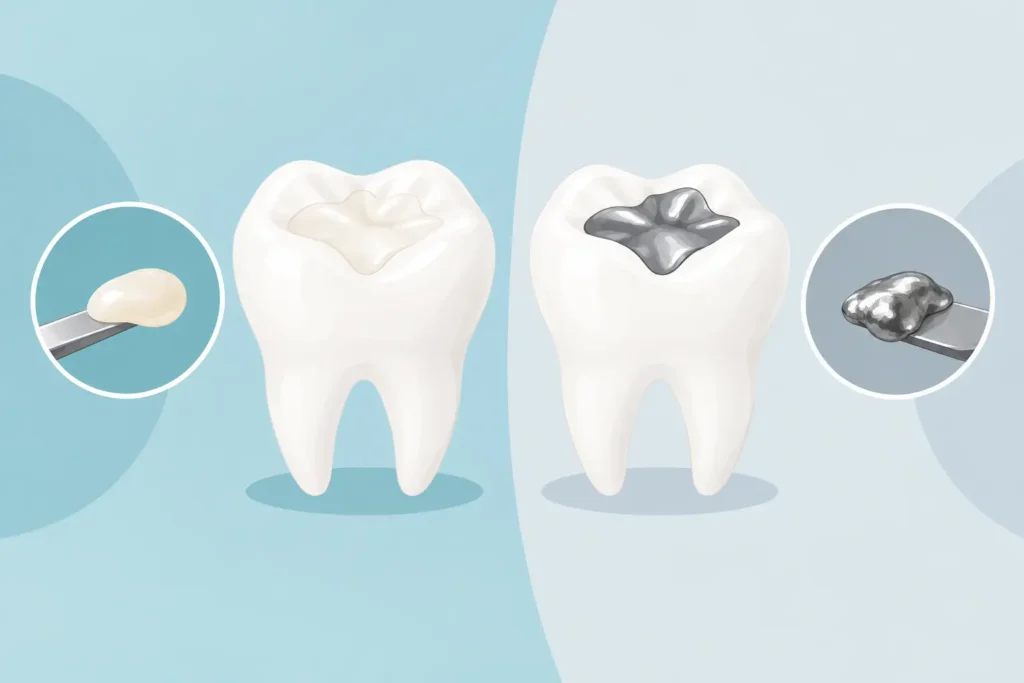
A small cavity can lead to a surprisingly big decision. When comparing composite versus amalgam fillings, the right choice is not always the same for every tooth, budget, or smile goal. A filling has to do real work every day: withstand chewing, seal the tooth, fit comfortably, and ideally blend into your life without drawing attention.
At Renaissance Dental Forest Hills, we help patients make this choice based on the location and size of the cavity, the condition of the tooth, your bite, and what matters most to you. Here is what to know before your appointment.
Composite Versus Amalgam Fillings at a Glance
Composite fillings are tooth-colored restorations made from a blend of resin and fine glass or ceramic particles. Your dentist shades the material to match the natural color of your tooth, then places and hardens it in layers with a curing light.
Amalgam fillings are silver-colored restorations made from a mixture of metals, including silver, tin, copper, and mercury. They have been used in dentistry for well over a century and are known for their strength, particularly in back teeth that absorb substantial chewing force.
Both materials can restore a tooth affected by decay. The better option depends on the clinical situation, not simply which material is newer or more familiar.
Why Many Patients Choose Composite Fillings
The most immediate advantage of composite is appearance. Because it can be closely matched to your tooth color, composite is a natural choice for visible areas, including front teeth and teeth that show when you smile or laugh. It is also popular for small-to-medium cavities in premolars and molars when a discreet restoration is a priority.
Composite bonds directly to the tooth. This adhesive technique can allow the dentist to preserve more healthy tooth structure in some cases because the filling does not rely only on the shape of the prepared cavity for retention. That conservative approach can be meaningful when the cavity is relatively small.
There are practical considerations, though. Composite placement requires careful isolation. The tooth must stay dry while the material is bonded and cured, which can make treatment more technique-sensitive when a cavity extends deeply below the gumline. Composite can also take longer to place than amalgam because it is added in layers.
Composite restorations can stain slightly over time, especially with frequent coffee, tea, red wine, or tobacco use. They are durable, but a large composite filling in a tooth that takes heavy bite pressure may eventually chip, wear, or need replacement. Regular exams allow your dental team to monitor the edges of the restoration before a small issue becomes a larger one.
When Composite May Be a Strong Choice
Composite may be especially suitable when the cavity is visible, when preserving healthy enamel is possible, or when you prefer a metal-free, tooth-colored result. It can also be an excellent solution for repairing a chipped tooth or replacing a small, worn filling.
For a large cavity or a tooth with weakened cusps, a filling may not provide enough long-term support regardless of the material. In that situation, an inlay, onlay, or crown may better protect the tooth from fracture. Modern digital planning can help your dentist recommend the restoration that matches the tooth’s remaining strength.
What Amalgam Fillings Do Well
Amalgam has a long track record in areas of heavy chewing pressure. It is generally less sensitive to moisture during placement than composite, which can be helpful in certain clinical situations. It also tends to cost less upfront, depending on your dental plan and the extent of treatment.
For decades, amalgam was a common choice for back-tooth cavities because it is strong and can perform well over many years. If you already have an amalgam filling that is intact, comfortable, and free of decay around its edges, replacement is not automatically necessary. A healthy restoration should be evaluated on its condition, not replaced solely because of its color.
The main drawback is appearance. Amalgam is clearly visible when you open your mouth, and it does not match natural enamel. Over time, it may cause a grayish shadow in the surrounding tooth structure. It also does not bond to the tooth in the same way composite does, so preparing the tooth may sometimes require a different shape to hold the filling securely.
Mercury Questions and Existing Amalgam Fillings
Amalgam contains mercury combined with other metals. Major dental and public-health organizations recognize dental amalgam as a restorative material with a long history of use. The FDA advises that certain higher-risk groups, including pregnant people, nursing people and their infants, children under age six, and people with specific neurological or kidney conditions or mercury allergies, avoid new amalgam fillings when appropriate alternatives are available.
For most people with existing amalgam fillings that are in good condition, removing them simply to eliminate mercury exposure is generally not recommended. Removal can temporarily release more mercury vapor than leaving an intact filling in place. If you have concerns, bring them to your dentist. Your medical history, symptoms, filling condition, and treatment needs deserve an individual conversation.
Durability Depends on More Than the Material
It is understandable to ask which filling lasts longer, but the answer is not a fixed number of years. A filling’s lifespan is influenced by its size, the tooth it is placed in, bite force, brushing habits, diet, clenching or grinding, and whether new decay develops around it.
A small composite filling in a well-protected area may serve a patient very well for many years. A very large filling in a heavily used molar faces a tougher assignment. The same is true for amalgam. Neither material can compensate for a tooth that has lost too much structure or for ongoing decay at the filling’s margin.
If you clench or grind your teeth, tell your dentist. A custom nightguard may help protect fillings, natural enamel, and other dental work from excessive force. For patients who need a stronger full-coverage restoration, a precisely designed ceramic crown can be a more dependable long-term option than repeatedly repairing a large filling.
Cost, Insurance, and the Value of the Right Repair
Cost can be part of the composite versus amalgam fillings conversation. Amalgam may have a lower initial fee, while composite can cost more because of the material and placement time. Dental insurance plans vary: some cover composite at the same level as amalgam, while others apply a different benefit for back teeth.
The least expensive option is not always the best value if it does not meet the needs of the tooth or your goals. Before treatment, ask for a clear explanation of the recommended material, alternatives, insurance estimate, and what may happen if the cavity is left untreated. Small decay can spread quietly, eventually reaching the nerve and requiring more extensive care.
How to Care for Any Filling
A filling does not make a tooth immune to future decay. Brush twice daily with fluoride toothpaste, clean between teeth every day, and keep up with professional cleanings and exams. Pay attention to changes such as pain when biting, sensitivity that lingers, rough edges, food trapping, or a new crack or dark line around a filling.
Avoid chewing ice, hard candy, or nonfood objects, especially on a tooth with a large restoration. If a filling falls out or a tooth breaks, contact your dental office promptly. Same-day care can often prevent discomfort and protect the tooth from further damage.
A Choice That Should Fit Your Whole Smile
The best filling is one that restores your tooth conservatively, feels comfortable in your bite, and supports your long-term oral health. A tooth-colored composite may be ideal for one cavity, while another tooth may need a different material or a stronger restoration altogether. Bring your questions, preferences, and insurance concerns to your visit – a thoughtful exam is the best place to make a decision you can feel good about.
Comments are closed.
Proudly serving the surrounding areas:
Forest Hills NY • Queens NY • Rego Park NY • Kew Gardens NY • Maspeth NY
Middle VIllage NY • Woodside NY • Sunnyside NY • Jamaica Estates NY • Queens County NY