111-01 Queens
Boulevard,
Forest Hills, NY 11375



Latest Posts
What Causes Tooth Sensitivity? Common Reasons
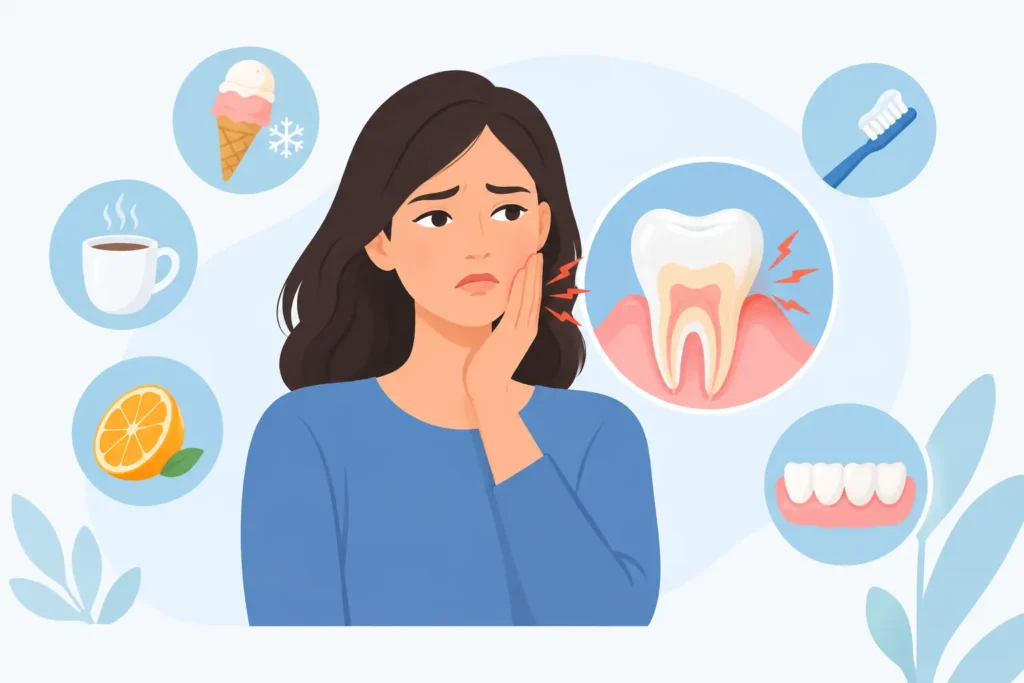
That sharp jolt from iced water, a spoonful of soup, or a breath of cold Queens air can make an otherwise ordinary moment uncomfortable. If you are asking what causes tooth sensitivity, the short answer is that part of the tooth has become exposed or irritated. The more useful answer is finding out why, because the right treatment depends on the source.
Sensitivity is common, but it is not something you simply have to live with. Sometimes it improves with a few changes to daily care. Other times, it is the first noticeable sign of a cavity, a crack, gum disease, or a restoration that needs attention. A dental exam can distinguish between these possibilities and help protect the tooth before discomfort becomes a larger problem.
What causes tooth sensitivity in the first place?
Healthy teeth are protected by enamel, the hard outer layer above the gumline, and by cementum, a thinner protective layer covering the root below the gumline. Under both layers is dentin. Dentin contains tiny channels that connect toward the tooth’s nerve.
When enamel wears down, a tooth cracks, or gums recede, dentin can become exposed. Cold, heat, sweetness, acidity, touch, and even air can then travel through those channels and stimulate the nerve. The result is often a quick, sharp sensation that fades when the trigger is gone.
Not every sensitive tooth behaves the same way. A brief response to cold can have a different cause from lingering pain after hot coffee or pain when biting. Those details help your dentist narrow down what is happening.
Common reasons teeth become sensitive
Enamel wear from brushing or acidic foods
Brushing is essential, but aggressive brushing with a hard-bristled brush can gradually wear at the enamel near the gumline. Teeth are not meant to be scrubbed. A soft-bristled toothbrush, gentle pressure, and small circular motions clean effectively without adding unnecessary wear.
Frequent exposure to acids can also soften enamel. Citrus drinks, soda, sports drinks, wine, and repeated snacking on acidic foods may contribute, particularly when teeth are brushed immediately afterward. Water and waiting about 30 minutes before brushing can be kinder to softened enamel. Acid reflux and frequent vomiting can create similar wear, so mentioning these concerns to both your physician and dentist matters.
Gum recession and periodontal disease
Gums can pull away from the teeth as a result of gum disease, inflammation, brushing too forcefully, genetics, or normal changes over time. When roots are exposed, they are more vulnerable because root surfaces do not have the same thick enamel protection as the visible part of a tooth.
Bleeding gums, persistent bad breath, swelling, or teeth that appear longer are reasons to schedule an evaluation. Periodontal treatment and regular maintenance can help control infection and protect the supporting tissues around the teeth. Depending on the amount of recession, treatment may also include desensitizing products, bonding, or other protective options.
Cavities, leaking fillings, and worn restorations
Decay can create a pathway toward the inner portion of a tooth, causing sensitivity to sweet foods, cold drinks, or biting pressure. A filling, crown, or other restoration can also become worn, cracked, or loose over time. Bacteria may enter around its edges, or the tooth beneath it may be exposed to temperature changes.
This is one reason regular checkups remain valuable even when a tooth only hurts occasionally. Small cavities and minor restoration problems are often simpler to treat than pain that has progressed to the nerve. When a crown or bridge is needed, modern digital planning can support a precise, natural-looking restoration and may allow treatment in a single visit when appropriate.
Cracked teeth and clenching or grinding
A crack can be hard to see and may cause unpredictable sensitivity. You may feel pain when releasing a bite, chewing certain foods, or drinking something cold. Cracks can result from biting hard foods, an injury, large older fillings, or the repeated force of clenching and grinding.
Many people grind their teeth during sleep without realizing it. Morning jaw soreness, headaches, flattened tooth edges, or a partner hearing grinding can be clues. A custom night guard may help protect teeth from continued force, although the tooth should be examined first to rule out decay, infection, or a fracture that needs more direct care.
Whitening and recent dental treatment
Professional and over-the-counter whitening products can temporarily make teeth more reactive to cold. This happens because whitening ingredients can irritate the nerve inside the tooth for a short period. It usually settles after treatment, but whitening should be paused and discussed with a dentist if discomfort is strong or persists.
Some sensitivity after a filling, crown, deep cleaning, or other dental procedure can also be normal while the tooth and gums recover. The sensation should generally improve rather than intensify. Contact your dental office if pain lasts, worsens, interferes with sleep, or makes it difficult to chew.
When sensitivity may signal a deeper problem
Sensitivity does not always mean the same thing. A quick twinge with cold may reflect exposed dentin, while pain that lingers for 30 seconds or more after heat or cold may point to inflammation inside the tooth. Spontaneous throbbing, facial swelling, fever, a bad taste, or pain that wakes you at night deserves prompt care.
Pain on biting can be caused by a crack, a loose restoration, decay, or an infection around the root. These symptoms cannot be diagnosed accurately at home. An exam and digital X-rays, when needed, allow the dental team to look beneath the surface and recommend care based on the tooth’s actual condition.
For a child, sensitivity should not be dismissed as a normal part of growing up. Children may not describe pain clearly, and sensitivity can be related to a cavity, a loose baby tooth, enamel weakness, or an injury. A timely visit can prevent a small concern from becoming a stressful dental emergency.
What you can do while you wait for an appointment
For mild, occasional sensitivity, use a toothpaste formulated for sensitive teeth twice a day. These products can gradually reduce the nerve’s response, but they may need several weeks of consistent use. Spit after brushing rather than rinsing thoroughly so the toothpaste has more time to work.
Choose a soft toothbrush and use gentle pressure. Limit very cold, very hot, sugary, and acidic triggers if they reliably cause discomfort. If you drink something acidic, use a straw when practical and rinse with water afterward. Avoid placing aspirin or other medication directly on a painful tooth or gum tissue, as this can cause a chemical burn.
Do not rely on home remedies to manage severe or persistent tooth pain. Pain relievers may provide temporary comfort when used as directed, but they do not resolve decay, infection, or a crack. Antibiotics are not a substitute for dental treatment unless a dentist determines they are needed for a specific infection.
How dentists treat sensitive teeth
Treatment starts with identifying the cause. For exposed dentin and mild enamel wear, a dentist may recommend prescription-strength fluoride, desensitizing products, or a protective coating. Bonding can cover exposed root surfaces in certain situations.
If gum disease is contributing, periodontal care can reduce inflammation and help preserve gum and bone support. Cavities can be restored with fillings, while damaged or weakened teeth may need a crown for protection. A crack that reaches the nerve may require root canal treatment followed by a restoration to save the tooth. In other cases, a night guard, bite adjustment, or replacement of an older restoration can reduce damaging pressure.
The goal is not merely to stop the cold sensitivity. It is to preserve as much healthy tooth structure as possible and give you a comfortable, dependable bite.
If sensitivity keeps returning, becomes more intense, or changes how you eat and drink, listen to that signal. A prompt visit with the team at Renaissance Dental Forest Hills can bring clarity, relief, and a practical plan that fits your tooth, your schedule, and your long-term oral health.
Comments are closed.
Proudly serving the surrounding areas:
Forest Hills NY • Queens NY • Rego Park NY • Kew Gardens NY • Maspeth NY
Middle VIllage NY • Woodside NY • Sunnyside NY • Jamaica Estates NY • Queens County NY