111-01 Queens
Boulevard,
Forest Hills, NY 11375



Latest Posts
How to Care for a Temporary Filling at Home
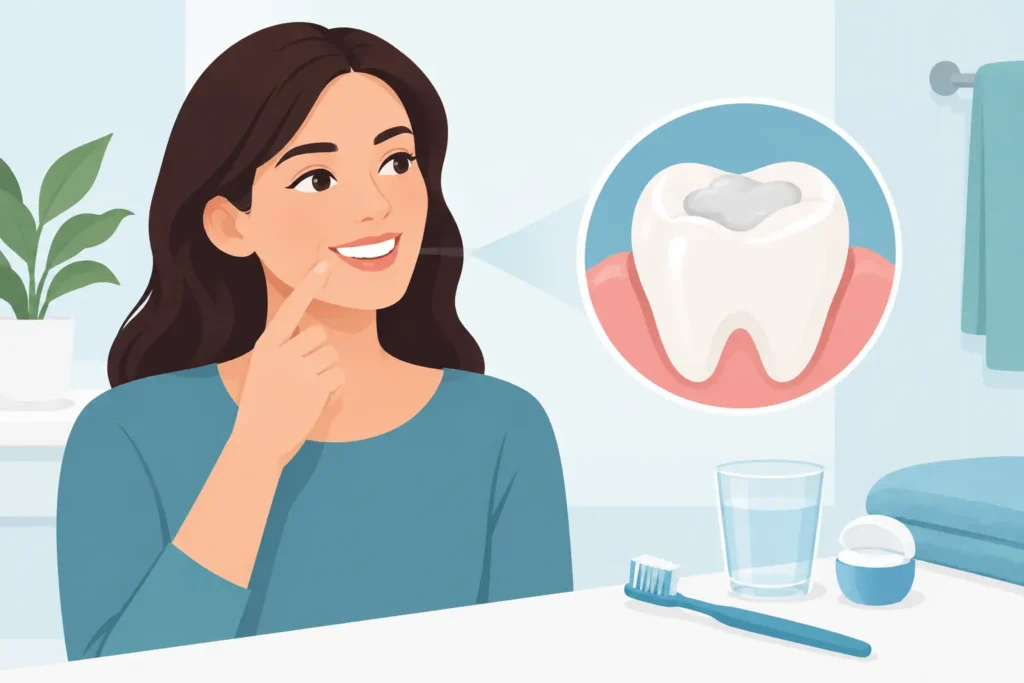
A temporary filling can feel like a small detail in the middle of a busy week, but it is doing an important job: sealing and protecting a tooth until your next dental visit. Knowing how to care for a temporary filling helps reduce the chance of sensitivity, breakage, or an unexpected dental problem before your permanent restoration is placed.
Temporary fillings are commonly used after emergency treatment, between root canal visits, or while a custom crown or other restoration is being made. They are designed to last for a limited time, not to handle the same daily force as a permanent filling or crown. A little extra care can make the time between appointments much more comfortable.
Why Temporary Fillings Need Extra Protection
A temporary filling is made from a material that can be placed and removed more easily than a permanent restoration. It closes the opening in the tooth, keeps food and bacteria out, and may hold medication inside the tooth after root canal treatment. That protection matters, especially when the tooth’s nerve or inner structure has recently been treated.
The trade-off is durability. Temporary material is not intended to withstand months of hard chewing, sticky foods, or repeated pressure. It can wear down, chip, or come loose if it is stressed too much. Your dentist will let you know how long it should remain in place and when to return for the next step in treatment.
If you received a temporary filling after a root canal, mild soreness or tenderness when biting can be normal for a few days. That discomfort should gradually improve. Increasing pain, swelling, or pressure is different and deserves a call to the dental office.
How to Care for a Temporary Filling Every Day
The simplest rule is to treat the tooth gently. If possible, chew on the opposite side of your mouth until the permanent restoration is completed. This is particularly helpful for a temporary filling in a back tooth, where most chewing force occurs.
Brush twice a day as you normally would, using a soft-bristled toothbrush and fluoride toothpaste. Clean around the temporary filling carefully rather than avoiding the area. Plaque can still accumulate along the gumline and at the edge of the filling, and keeping the tooth clean supports healing and helps prevent new decay.
Flossing is still helpful, but technique matters. Slide the floss through the contact between the teeth gently. Rather than pulling it straight up and out, pull it out through the side of the teeth. This reduces the chance of catching the edge of the temporary material and pulling it loose. If the area is too sore to floss comfortably on the first day, ask your dental team for specific guidance.
Avoid poking at the filling with your tongue, fingernail, toothpick, or other object. It is natural to notice a new surface in your tooth, especially once the numbness wears off, but repeatedly testing it can weaken the material. If it feels unusually high when you bite, do not try to smooth it yourself. A quick adjustment by your dentist is the safer solution.
Choose Foods That Put Less Stress on the Tooth
For the first few hours after a temporary filling is placed, wait until numbness has completely worn off before eating. This helps prevent accidentally biting your cheek, lip, or tongue. Follow any timing instructions your dentist provides, since recommendations can vary based on the material used and the treatment you received.
Soft, easy-to-chew foods are often most comfortable at first. Eggs, yogurt, soup that is not too hot, pasta, fish, cooked vegetables, and smoothies are generally gentler choices. As tenderness improves, you can add more foods, but continue protecting the treated side.
Hard, sticky, and very chewy foods are the biggest risks. Avoid chewing ice, hard candy, nuts, popcorn kernels, tough crusty bread, caramel, taffy, gum, and similar foods on or near the temporary filling. These can crack the material, pull it out, or create pressure in a tooth that is already sensitive.
Very hot or cold foods may also trigger sensitivity, particularly if the tooth was deep in decay or recently treated. Try foods and drinks at moderate temperatures for several days. If sensitivity lingers longer than expected or becomes sharp and spontaneous, contact your dentist.
Manage Normal Tenderness Safely
It is common for a tooth and the surrounding gum to feel tender after dental treatment. If your dentist has said over-the-counter pain relief is appropriate for you, use it only as directed on the label or according to your dental or medical provider’s instructions. Never place aspirin directly on a tooth or gum tissue. It does not treat the source of pain and can burn the soft tissue.
A warm saltwater rinse can soothe irritated gum tissue. Mix a small amount of salt into warm water, swish gently, and spit it out. Do not rinse aggressively, especially on the day of treatment. Gentle care is usually all that is needed while the area settles.
What to Do If the Temporary Filling Comes Out
A temporary filling that loosens or falls out should be addressed promptly, even if the tooth does not hurt. The exposed area can collect food and bacteria, and a tooth that has had root canal treatment can be more vulnerable to fracture without its protective restoration.
Call your dental office and explain what happened. The team can advise whether you should be seen the same day or how soon you need an appointment. Keep the area clean, chew on the other side, and avoid placing household materials into the tooth. Temporary dental repair products from a pharmacy may sometimes be appropriate for a very short period, but they are not a substitute for professional care and should only be used according to your dentist’s direction.
If a small piece chips but most of the filling remains, it is still wise to call. The edge may no longer seal the tooth completely, and a dentist can determine whether it needs replacement. Bring any piece of material you find to your appointment if practical, though the dentist may not need it.
When to Call Your Dentist Right Away
Do not wait for your scheduled appointment if you have severe or worsening pain, facial or gum swelling, fever, a bad taste or drainage near the tooth, or difficulty swallowing or breathing. These symptoms may indicate an infection or another issue that needs prompt evaluation.
You should also contact the office if your bite feels uneven, the temporary filling feels loose, or you cannot close your teeth together comfortably. An overly high temporary filling can place excessive pressure on the tooth and jaw. The fix is often simple, but delaying it can make the tooth more painful.
A lost filling without pain is not usually a reason to panic, but it should not be ignored. Call as soon as you notice it so your dental team can protect the tooth before a small issue becomes a more involved repair.
Keep the Follow-Up Appointment
The most effective way to care for a temporary filling is to complete the planned treatment on time. Temporary fillings are a bridge, not a final destination. Waiting too long may allow the material to wear away, leak, or fracture, potentially putting the tooth at risk.
For patients who need a crown, modern digital dentistry can sometimes reduce the time spent in a temporary restoration. At Renaissance Dental Forest Hills, CEREC technology may allow eligible patients to receive a precisely designed, color-matched ceramic crown in a single appointment. Whether that option is right for you depends on the tooth, the amount of remaining structure, and your overall treatment needs.
Until your next visit, keep the tooth clean, chew thoughtfully, and pay attention to changes rather than trying to manage them on your own. A quick call when something feels off can protect both your comfort and the long-term health of your smile.
Comments are closed.
Proudly serving the surrounding areas:
Forest Hills NY • Queens NY • Rego Park NY • Kew Gardens NY • Maspeth NY
Middle VIllage NY • Woodside NY • Sunnyside NY • Jamaica Estates NY • Queens County NY