111-01 Queens
Boulevard,
Forest Hills, NY 11375


Latest Posts
- Periodontal Maintenance After Deep Cleaning
- How to Prevent Cavities in Teenagers for Good
- Dental Sealants for Children and Cavity Prevention
- Pediatric Dentist First Visit Tips for Parents
- Guided Dental Implant Surgery in Queens Explained
Archives
How to Prevent Cavities in Teenagers for Good
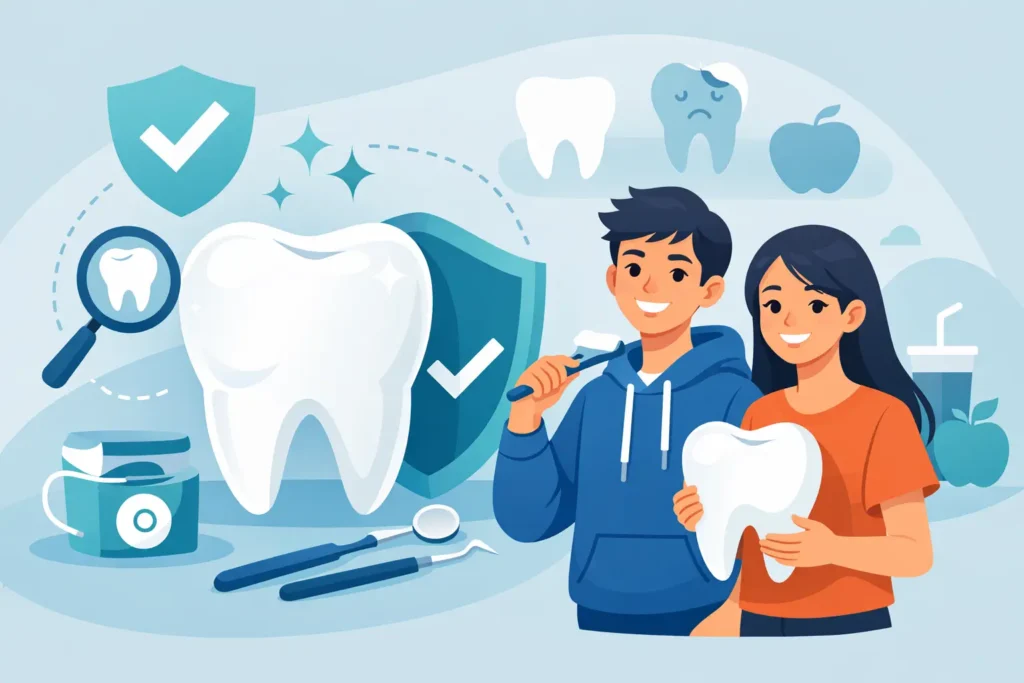
A teen can brush twice a day and still develop a cavity between dental visits. That is not necessarily a sign of poor effort. Busy schedules, frequent snacking, sports drinks, braces, dry mouth, and rushed nighttime routines can all create the right conditions for decay. To prevent cavities in teenagers, the goal is not perfection. It is a realistic routine that lowers daily acid exposure and catches small problems before they become painful, expensive ones.
Teen years are also when dental habits become more independent. Parents may no longer be supervising every brushing session, while teens are making more of their own food and drink choices at school, practices, work, and social events. A supportive approach works better than lectures: explain what causes cavities, make the healthy option convenient, and keep regular preventive visits on the calendar.
Why Teenagers Can Be More Vulnerable to Cavities
Cavities begin when bacteria in plaque use sugars and starches from food and drinks to produce acid. That acid weakens tooth enamel. Saliva can help repair early damage, but repeated acid attacks throughout the day can outpace the mouth’s natural defenses.
For many teens, the issue is frequency rather than a single dessert. Sipping a sweetened iced coffee through an afternoon study session, carrying a sports drink to practice, or grazing on crackers between classes keeps teeth exposed to acid again and again. Even drinks that seem healthy, such as juice, flavored waters, and some energy drinks, can contain sugar or acid that contributes to enamel wear.
Braces and retainers add another layer of challenge. Food and plaque can collect around brackets, wires, and attachment areas, making careful cleaning essential. Some teenagers also experience dry mouth from medications, mouth breathing, vaping, or dehydration. Because saliva protects teeth, ongoing dry mouth deserves a conversation with a dentist.
Build a Brushing Routine Teens Will Actually Keep
The most effective routine is one that fits real life. Brushing for two minutes in the morning and before bed with fluoride toothpaste is the foundation. Fluoride strengthens enamel and can help reverse very early weak spots before they become full cavities.
At night, brushing matters most because saliva flow decreases during sleep. If a teen remembers only one message, make it this: do not go to bed with food, sugary drinks, or plaque sitting on the teeth. After brushing, spit out the toothpaste rather than rinsing thoroughly with water. Leaving a small amount of fluoride on the teeth provides added protection.
An electric toothbrush with a built-in timer can be useful, especially for teens with braces or a tendency to rush. It is not required, though. A manual soft-bristled toothbrush works well when used carefully along the gumline, on the chewing surfaces, and behind the front teeth. Replace the brush head or toothbrush about every three months, or sooner if bristles are frayed.
Clean Between Teeth Every Day
A toothbrush cannot reach the tight spaces where many teen cavities begin. Flossing once daily removes plaque between teeth and just below the gumline. For teens with braces, floss threaders, orthodontic flossers, or a water flosser can make the process more manageable. A water flosser is helpful around appliances, but it should not automatically replace floss where teeth touch closely.
The best time to floss is the time it will happen consistently. For some families, that means before brushing at night. For others, it is after dinner or while winding down before bed.
Make Drinks and Snacks Work for Teeth
Eliminating every sweet food is rarely realistic or necessary. Instead, focus on reducing how often teeth are exposed to sugar and acid. Having dessert with a meal is generally easier on teeth than slowly snacking on sweets over several hours. During meals, saliva production increases and helps clear the mouth.
Water should be the default drink between meals and after sports. In Queens, tap water is generally fluoridated, which gives families another practical source of cavity protection. If a teen chooses a sweet or acidic drink, having it with a meal and following it with water is usually better than sipping it all day.
Sports drinks deserve special attention. Unless an athlete is in prolonged, intense training and has a specific need for them, water is often the better choice. Many sports and energy drinks combine sugar with acidity, a difficult combination for enamel. Sugar-free gum containing xylitol may be a useful option after meals when brushing is not possible, because chewing stimulates saliva. It is not a substitute for brushing or flossing.
After drinking soda, juice, or an acidic beverage, avoid brushing immediately. Enamel can be temporarily softened by acid. Rinsing with water and waiting about 30 minutes before brushing is gentler on teeth.
Use Professional Prevention Before Problems Start
Regular exams and cleanings give a dental team the opportunity to find changes that a teenager cannot see or feel. Early cavities may cause no pain at all. By the time a tooth hurts, decay may be deeper and require more extensive treatment.
Dental X-rays, when clinically appropriate, can reveal decay between teeth and beneath the surface. Professional fluoride treatments may be recommended for teens with a higher cavity risk, including those with braces, dry mouth, frequent snacking, a history of cavities, or early enamel weakening.
Ask Whether Sealants Are a Good Fit
Sealants are thin protective coatings placed in the deep grooves of back teeth, where toothbrush bristles may not reach well. They are especially useful on permanent molars, which have uneven chewing surfaces and are common sites for cavities. The process is quick, comfortable, and noninvasive.
Sealants do not eliminate the need for brushing, flossing, or dental visits. They protect the grooves of selected teeth, not every surface. Still, for a teen at elevated risk, they can be a practical extra layer of prevention.
Pay Attention to Braces, Dry Mouth, and Other Risk Factors
A teenager with braces needs a more deliberate cleaning plan. Brushing after meals when possible, using an interdental brush around brackets, and limiting sticky candies can reduce the white spots and cavities that sometimes appear after orthodontic treatment. Retainers also need daily cleaning because bacteria can build up on them and be reintroduced to the mouth.
Dry mouth should not be ignored as a minor annoyance. Encourage regular water intake and mention persistent dryness to the dental team, particularly if it began after a medication change. The dentist may recommend specific fluoride products or other strategies based on the cause.
If a teen has frequent stomach acid exposure from reflux or vomiting, enamel may be at risk even with excellent brushing. This is a health concern, not a reason for embarrassment. A caring dental team can help protect teeth while encouraging appropriate medical support.
Help Teens Take Ownership Without Turning It Into a Battle
Teenagers are more likely to follow a routine they understand and help shape. Keep fluoride toothpaste, floss, and a spare toothbrush visible and easy to reach. Set phone reminders if evenings are hectic. For teens who split time between households, send a complete dental kit with them rather than assuming supplies will always be available.
Parents can also model the behavior. A simple household routine of brushing and flossing before bed makes preventive care feel normal rather than punitive. If a teen is worried about stained teeth, bad breath, or the appearance of braces, connect those concerns to consistent cleaning instead of focusing only on future cavities.
At Renaissance Dental Forest Hills, preventive visits can be adapted to a teen’s needs, whether that means reviewing brushing around braces, discussing fluoride and sealants, or scheduling around school, work, and activities. Comfortable, consistent care gives teens a better chance to keep their natural teeth healthy well into adulthood.
A cavity-free future is built in ordinary moments: choosing water after practice, flossing before bed, replacing a worn toothbrush, and showing up for a checkup before anything hurts. Those small decisions protect more than a smile. They help a teenager carry confidence and healthy habits into the years ahead.
Comments are closed.
Proudly serving the surrounding areas:
Forest Hills NY • Queens NY • Rego Park NY • Kew Gardens NY • Maspeth NY
Middle VIllage NY • Woodside NY • Sunnyside NY • Jamaica Estates NY • Queens County NY